
Across Dublin — from older 1950s terraces right through to many houses built during the 1970s and 1980s — gun barrel pipework is still hidden beneath floors and inside walls. Most homeowners never know it is there until problems begin to surface. The pipework often appears solid externally, but the real deterioration happens out of sight.
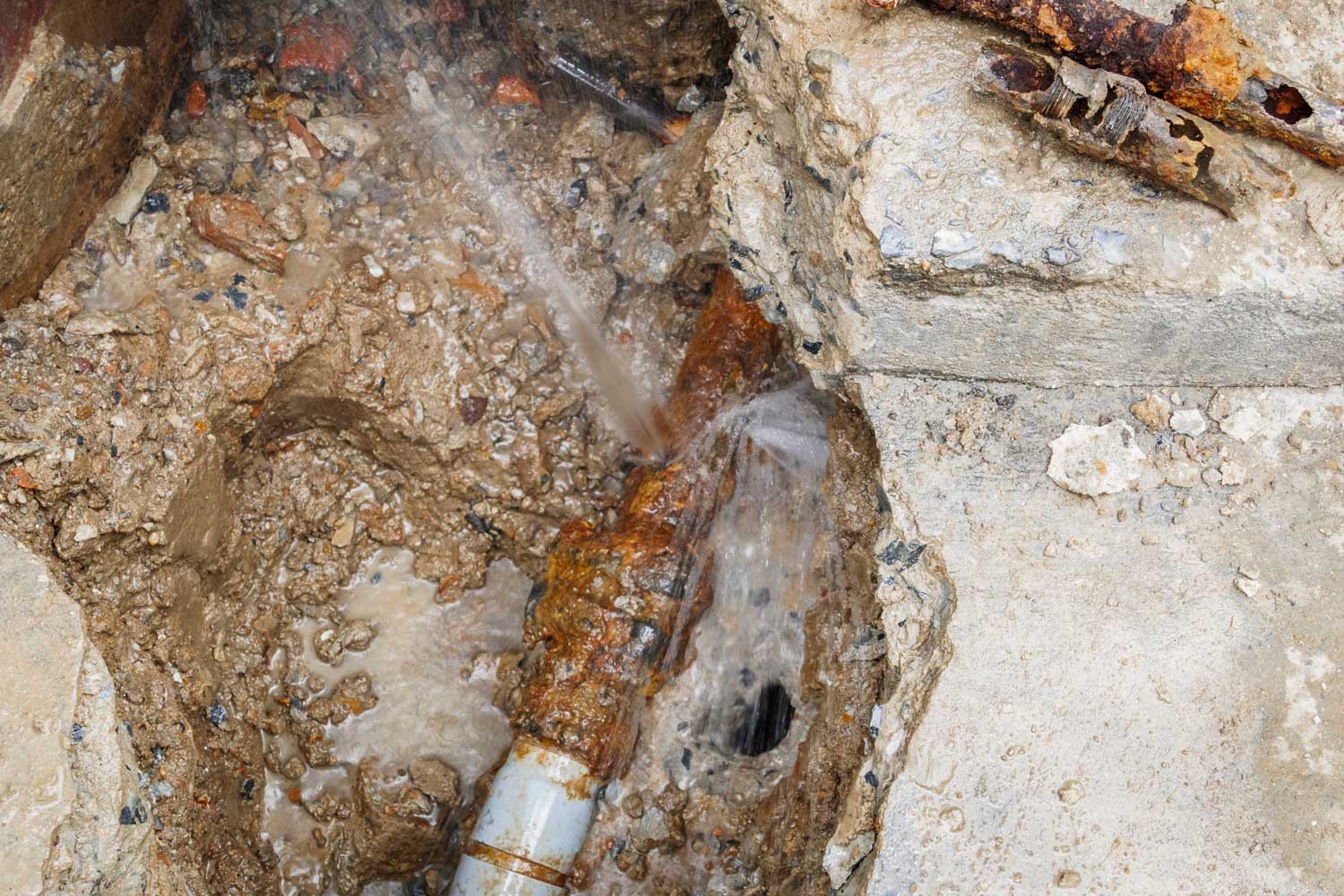
Gun barrel pipes gradually rot from the inside out. Corrosion builds layer by layer, reducing the internal diameter until the flow becomes severely restricted. Over time, the steel weakens to the point where pinhole leaks, pressure-related bursts, or complete blockages become likely. During cold spells or boiler upgrades, this internal decay becomes even more exposed, often resulting in sudden system failures.
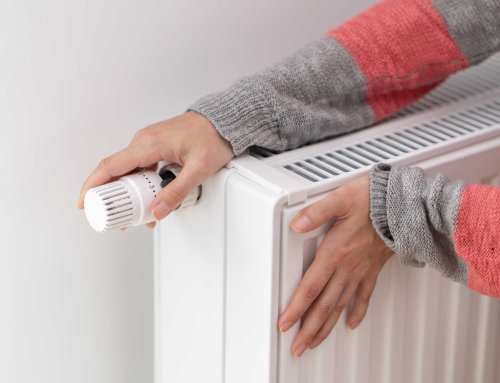
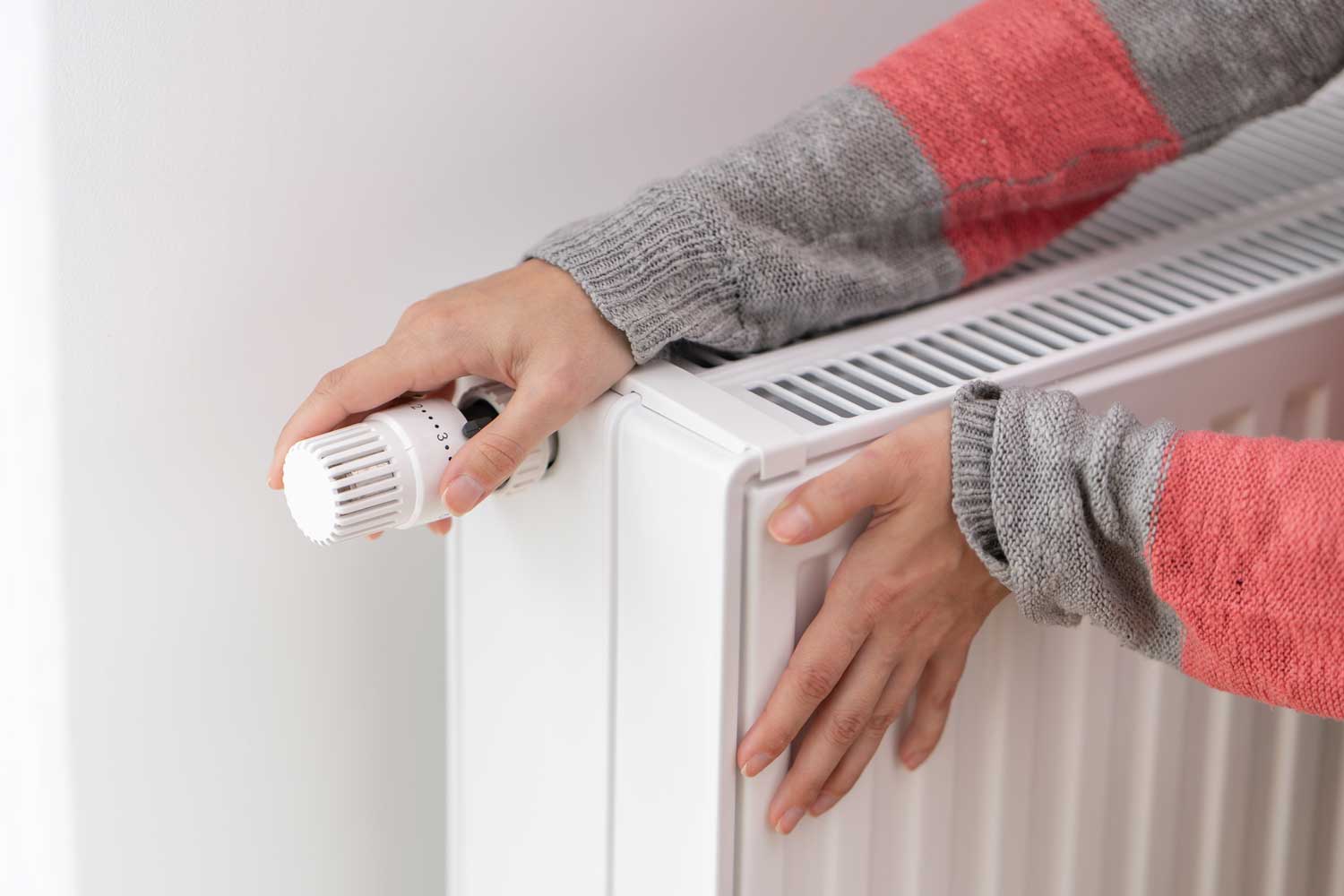
The early signs are usually subtle: radiators heating unevenly, rusty or discoloured water from taps, reduced water pressure, or boilers cutting out on cold mornings. Once boards are lifted or valves are opened, the condition of the pipework becomes obvious — gun barrel pipe may look robust on the surface, but its internal state is typically compromised after decades of use.
What Exactly Is Gun Barrel Pipework?
Gun barrel pipework refers to galvanised steel piping that was widely used in Dublin homes for several decades. Builders favoured it because it was durable and resistant to external damage. At the time, domestic water systems were simpler, heating demands were lower, and corrosion risks were less understood.
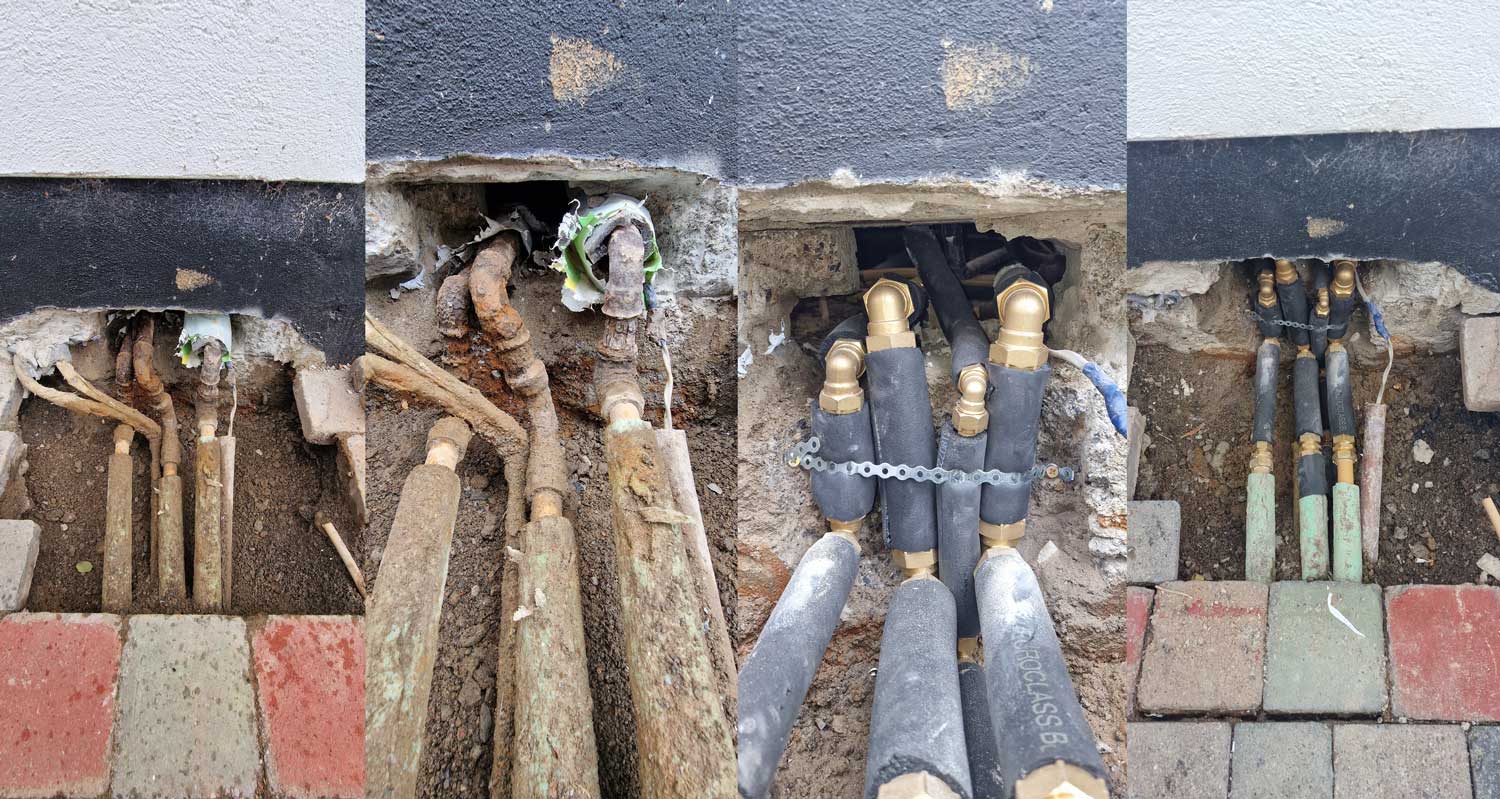
The main issue arises internally. As the zinc coating wears away, the steel beneath oxidises. Corrosion gradually closes the pipe bore, creating heavy restrictions that limit water circulation. Some sections recovered from homes are almost entirely blocked by internal rust.
How Dublin Homeowners Usually Spot the Problem
Gun barrel pipework rarely announces its decline with a sudden failure. More often, performance deteriorates steadily. Common symptoms include:
- Radiators heat only partially or not at all
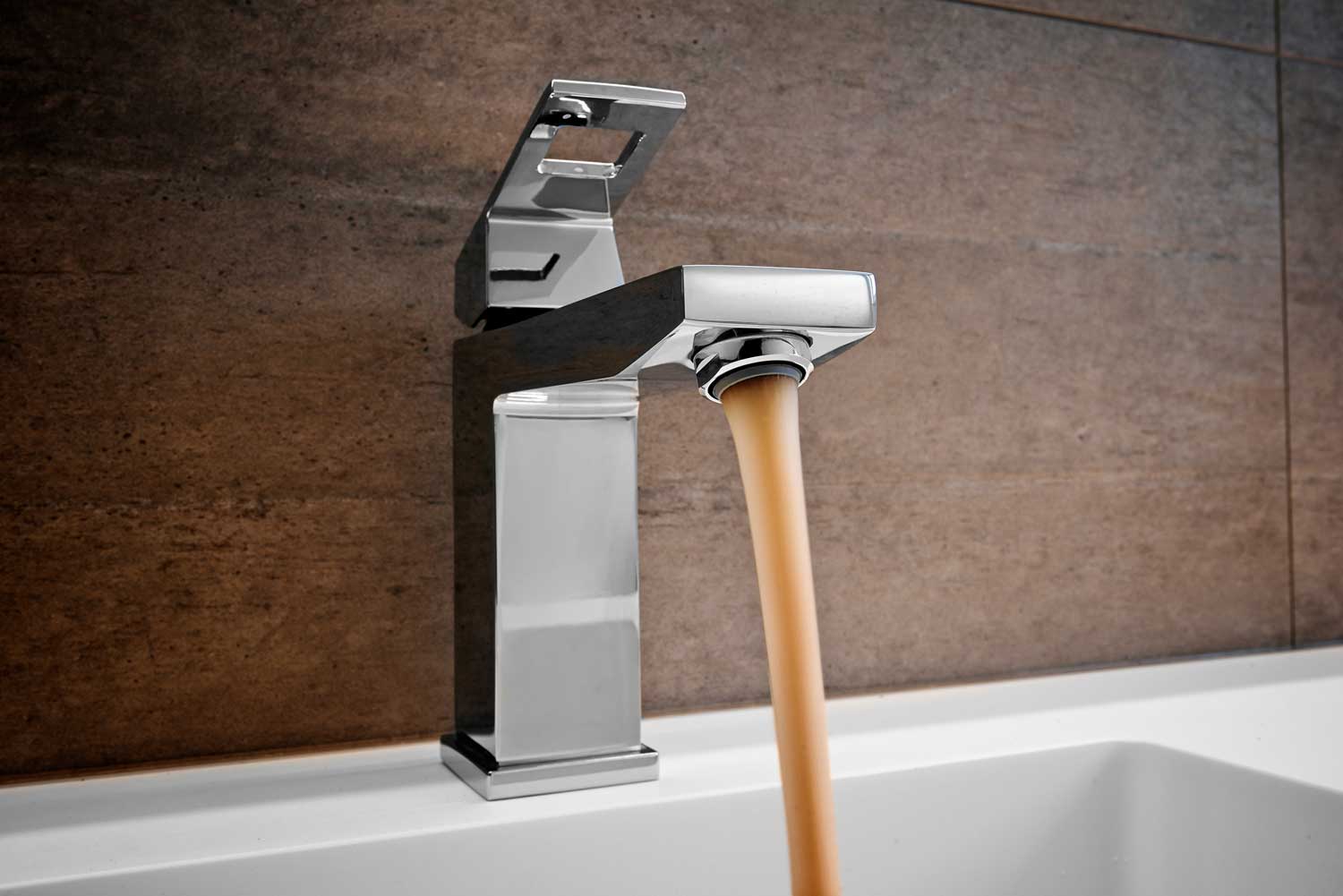
- Cloudy, rusty, or brown-tinged water from taps
- Pumps running noisily due to restricted flow
- Boilers locking out during winter conditions
- Noticeably reduced water pressure throughout the home
These symptoms tend to appear gradually as corrosion progresses. However, because the pipes corrode from the inside out, sudden leaks or bursts are common once the steel weakens.
Why Do These Old Pipes Become a Serious Headache
As gun barrel pipework corrodes internally, several predictable problems occur:
- System flow slows significantly
- Radiators develop cold spots or stop heating entirely
- Boilers cycle excessively due to poor circulation
- Pinhole leaks develop in weakened areas
- Pipes burst under pressure or during freezing temperatures
Gun barrel pipework does not fail in a controlled way. When integrity is lost, leaks and bursts often cause hidden damage long before visible signs appear. Ceilings, floors and insulation are frequently affected before the problem is discovered.
Gun Barrel vs Modern Pipework: A Clear Difference
Modern heating installations use copper or high-grade multilayer (MLCP) pipe, both of which resist corrosion and maintain consistent internal diameters. The improvement in system performance after upgrading is immediate. Radiators heat evenly, boilers operate efficiently, and pumps run quietly without strain.
Improved circulation also leads to more predictable heating bills, as the boiler no longer compensates for restricted or blocked pipework.
When Should Gun Barrel Pipework Be Replaced?
Several indicators strongly suggest replacement is required:
- Heating systems older than 40 years
- Radiators that cannot be balanced properly
- Boilers frequently overheating or locking out
- Visible corrosion on valves or joints
- Planned boiler upgrades the pipework cannot support
Installing a modern boiler onto a gun barrel system often creates further issues, as old pipework cannot provide the flow rates required for efficient operation.
What’s Actually Involved in Replacing Gun Barrel Pipework?
Replacement work is carefully planned to minimise disruption. While certain floors or access points may need to be opened, the process is controlled and methodical.
A standard replacement includes:
- Identifying existing pipe runs
- Decommissioning the old galvanised steel system
- Installing new copper pipework
- Fitting new radiators and valves
- Commissioning the boiler for correct flow and performance
How Much Does Gun Barrel Pipe Replacement Cost?
Costs vary depending on the size of the property, number of radiators and accessibility of pipe routes. In most Dublin homes, full gun barrel pipe replacement — including new copper pipework and new radiators — typically starts from €8,000.
Because the old steel pipework is fully decommissioned, a power flush is not required. All components connected to the new system are clean and modern.
Safety Concerns Homeowners Often Don’t Consider
- Hidden leaks causing structural damage
- Sludge build-up leading to boiler overheating
- Water contamination from internal corrosion
- Pipes bursting due to pressure changes or freezing
Should the Entire System Be Replaced at Once?
In most cases, full replacement is recommended. Mixing new copper pipework with old gun barrel sections often leads to circulation problems and uneven heating.

Getting a Quote from NRM Plumbing & Heating
At NRM Plumbing & Heating, we carry out gun barrel pipe replacement across Dublin on a regular basis, working on homes from mid-century terraces to 1980s family properties. Each assessment is tailored to the specific layout and condition of the property.
Frequently Asked Questions
How long does a full pipe replacement take?
Most homes require two to five days, depending on the system layout.
Do boiler upgrades need to be done at the same time?
Not always, though many older systems benefit from completing both upgrades together.
Will floors need to be lifted?
Only where necessary, and disruption is kept to a minimum.
Can part of the gun barrel system remain?
It is technically possible, but not recommended due to future circulation and reliability issues.
Is patch / repair work included?
No, if pipes are to be run inside walls, patch/repair work will be required – a separate contractor will be required for this additional work, this extra work will not be included in our quote.
Interested in Microbore Pipe Replacement in Dublin – check out our latest blog post for full details