
Most people don’t think much about their heating system — until something starts acting up.
And when it does, it rarely happens all at once.
It usually begins with something small.
A radiator that takes a bit longer to warm up.
A drop in boiler pressure you didn’t notice before.
Maybe a noise that comes and goes.
Nothing urgent. Nothing that feels like a real problem.
So you do what most homeowners do.
You bleed the radiators.
Top up the pressure.
Adjust a valve here and there.
And for a while, that works.
But then the same issues creep back in. The same rooms stay cold. The same fixes stop having any real effect. And at some point — usually when the weather turns — it becomes obvious something isn’t right.
Here’s the thing: these problems are rarely isolated.
They tend to be connected. And more often than not, they point to a heating system that’s starting to struggle as a whole.
Table of Contents
- Radiators Not Heating Properly Throughout the House
- Boiler Pressure Keeps Dropping
- Boiler Making Loud Noises: Banging, Gurgling or Kettling
- Heating Taking Too Long to Warm Up
- Boiler Turning On and Off Repeatedly (Short Cycling)
- Uneven Heating Across Different Rooms
- Why These Problems Keep Coming Back
- When It’s Time to Stop Repairing and Start Replacing
- What to Do Next
Radiators Not Heating Properly Throughout the House
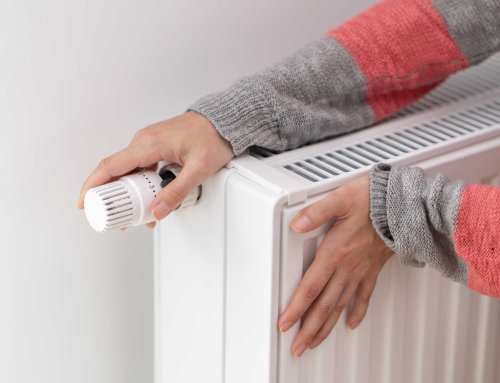
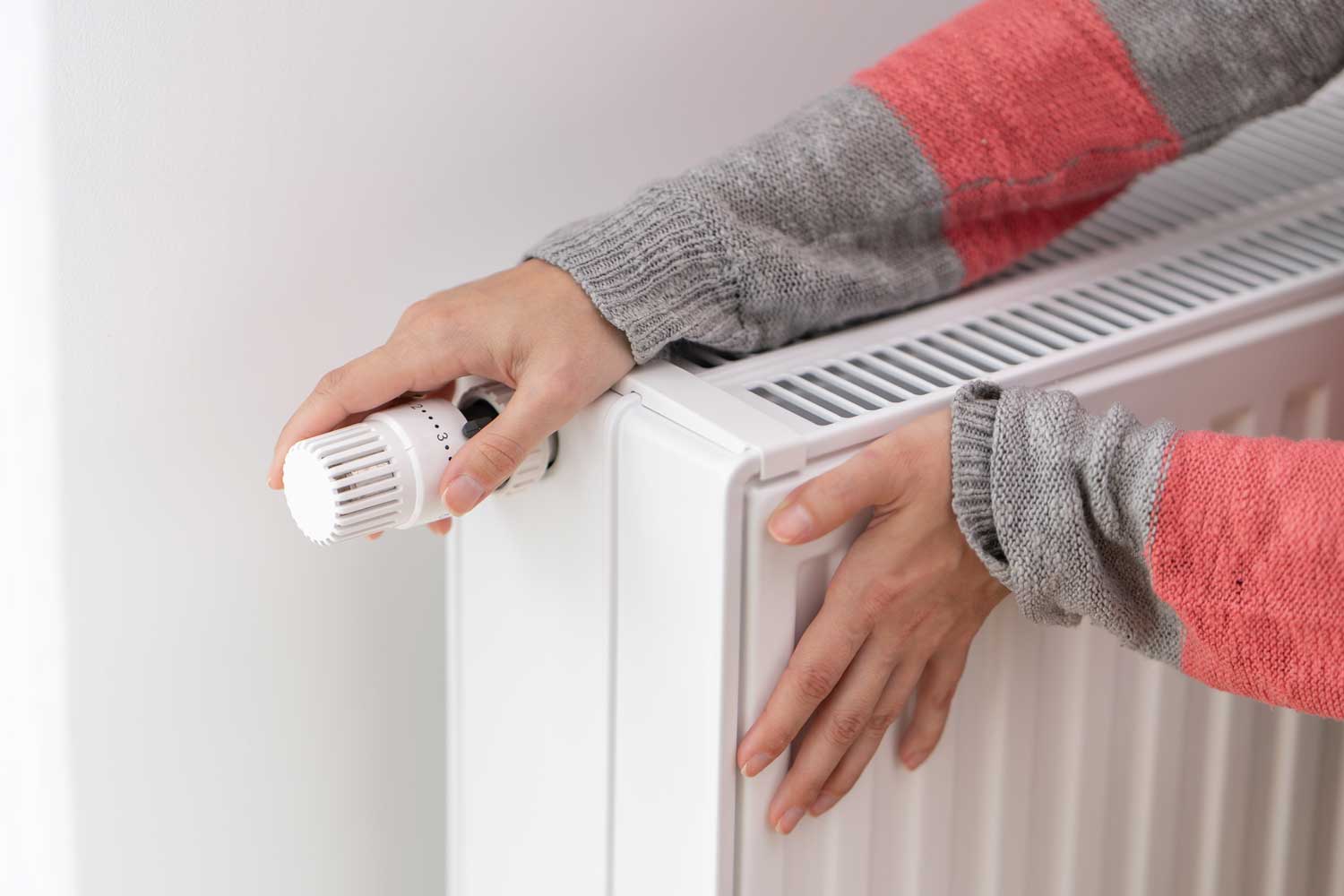
If you walk through your house and notice one radiator roasting while another barely gets warm, you’re not alone.
This is one of the most common complaints in Irish homes — especially during winter.
You’ll usually notice a pattern. Radiators closest to the boiler heat up quickly. The ones further away? Not so much. Upstairs is often the worst.
At first glance, it looks like a simple issue. Air in the system. Maybe something needs balancing.
Sometimes that’s true. But if the problem keeps coming back, it’s usually something else.
What you’re really looking at is a circulation issue.
Hot water should move freely through the system. When it doesn’t, certain radiators get priority while others are left behind. Bleeding might help temporarily, but it won’t fix poor flow.
If your radiators are not heating properly throughout the house, it’s often a sign the system is struggling to circulate heat effectively — something we regularly see during Gas Boiler Replacement Dublin inspections.
In a lot of homes, the system simply wasn’t designed for today’s demand. Extensions get added. More radiators go in. But the core system stays the same.
That’s when issues start to show.
In those cases, upgrading to modern systems like Worcester Bosch Boilers isn’t just about efficiency — it’s about getting consistent heat where you actually need it.
Boiler Pressure Keeps Dropping
If you’ve ever had to top up your boiler pressure more than once, you’ve probably wondered if it’s normal.
Short answer: it’s not.
A one-off drop can happen. That’s not unusual. But if it keeps happening, there’s a reason for it.
Pressure doesn’t just vanish on its own. It has to be going somewhere.
Most people deal with it the same way. Top it up. Reset the boiler. Carry on. And honestly, that gets you through the week.
The thing is, you’re not actually solving anything. You’re just hitting the reset button.
Could be a tiny leak somewhere along the pipework. Could be the expansion vessel losing its charge. Sometimes it ties back to other parts of the setup — the way pressure builds and releases internally, or older components like the Hot Water Cylinder Replacement sitting alongside it.
None of these things announce themselves. That’s what makes them frustrating.
What you do spot is the rhythm of it.
Pressure drops. Top up. Few days of normal. Drops again.
And every time that cycle runs, the boiler and pipework take a bit more punishment. Nothing dramatic. Just steady wear that adds up.
Getting it diagnosed properly through boiler servicing beats topping it up every fortnight and crossing your fingers.
Boiler Making Loud Noises: Banging, Gurgling or Kettling
Boilers aren’t silent. They never have been.
The hum, the click of it firing up, the soft rush of water — that’s all fine.
What isn’t fine is when the noise changes. Gets louder. Sharper. Starts happening more often than it used to.
People describe it in all sorts of ways when they ring us.
A heavy banging.
A gurgle that comes and goes.
That whistling kettle sound, weirdly enough.
Each of those points somewhere different.
Banging is usually water that’s stuck and overheating in one spot. Gurgling? Often air trapped in the lines. Whistling tends to be limescale, or flow that’s being choked off somewhere it shouldn’t be.
And here’s where people get it wrong: the noise isn’t the issue.
The noise is just the symptom telling you about the issue.
When a boiler starts making sounds it didn’t make before, there’s usually something stressed inside it. We come across this constantly when doing boiler repair in Dublin.
Ignore it long enough and you stop having a noise problem and start having a damage problem.
Sometimes a repair will sort the whole thing. Other times — and this is usually when the unit’s been struggling for a while anyway — it makes more sense to swap to something better built. Viessmann boilers are a common choice when people want it sorted properly rather than patched again.
Heating Taking Too Long to Warm Up
You turn the heating on… and then wait.
And wait.
And wait.
If it’s taking hours to bring the house up to temperature, that’s not just an inconvenience — it’s a sign the system isn’t working efficiently.
Most people call this “slow heating.” What’s actually happening is a bit more specific. The system can’t shift heat around the house quickly enough to keep up.
The water’s sluggish. Some rooms get there before others. The boiler ends up running flat out just to do what should be a basic job.
You’ll feel it most first thing in the morning. Or after a day where the heating’s been off and you’re trying to bring the place back from cold.
Slow warm-up times almost always come down to the system being past its prime. A lot of older Irish homes are now looking at Heat Pumps Ireland as a way out of that cycle.
It’s rarely down to one broken part. It’s the whole setup — pipe sizes, layout, where things connect, how it was originally specced.
And the second you start asking more of it, the cracks show.
Boiler Turning On and Off Repeatedly (Short Cycling)
If your boiler keeps firing up, shutting down, then doing it again a few minutes later — that’s not something to ignore.
Plenty of people notice it and just live with it. The house still gets warm eventually, so it doesn’t feel like a real problem.
That stop-start pattern has a name. Short cycling.
And it wears the boiler out faster than almost anything else.
What’s happening is this: the boiler heats up, but the system can’t carry that heat away fast enough. So it overheats, shuts itself off as a safety measure, then kicks back on a few minutes later when things have cooled down. Round and round.
It’s usually one of the first things spotted during a proper boiler servicing visit, because the wear pattern is pretty distinctive.
You end up with a boiler that’s working twice as hard for half the result. Energy bills creep up. Components age faster than they should.
Newer boilers are designed to modulate properly — they ramp up and down instead of slamming on and off. Something like Worcester Bosch Boilers handles that side of things much better than the older units they tend to replace.
Uneven Heating Across Different Rooms
Some rooms feel fine. Others never quite get there.
Sound familiar?
This is the kind of thing you see in houses that have grown over the years. Bit of an extension here. New layout there. A radiator added on because that one room was always freezing.
The trouble is, the system underneath it all stayed the same.
So what ends up happening?
The original parts of the house get heat the way they always did. The bits added on later are fighting for whatever’s left.
A lot of the time it traces back to pipework that was never sized for the load it’s carrying now. Older setups sometimes need work elsewhere too — things like Attic Water Tank Replacement or general system upgrades to bring everything back into balance.
Where the layout’s gone past what gas can sensibly handle, switching over to Electric Boilers Dublin can give you proper room-by-room control instead of one zone fighting another.
Why These Problems Keep Coming Back
Here’s where most people end up stuck.
Each thing gets dealt with on its own.
Pressure drops? Top it up.
Radiator cold? Bleed it.
Noise? Ignore it for now.
But the system doesn’t see them that way.
They’re connected.
They’re all pointing at the same thing — the system is under strain.
Quick fixes work. Right up until they don’t.
When the same problem keeps showing up, it’s not random. The system is telling you something. Most people just don’t want to hear it.
When It’s Time to Stop Repairing and Start Replacing
Every heating system has a tipping point.
You don’t always see it coming. It creeps up.
More callouts.
Less heat for the same effort.
Bills going the wrong way.
At a certain point, you’re not maintaining a system anymore. You’re babysitting a problem.
When the same faults keep coming back — pressure loss, weird noises, rooms that won’t warm up — the system’s told you everything it’s going to tell you.
That’s usually the moment a proper Gas Boiler Replacement Dublin stops feeling like a big spend and starts feeling like the cheaper option.
Newer units like Worcester Bosch Boilers and Viessmann boilers just work the way you’d expect them to. No drama. They run, they heat the house, and they stop costing you in repair bills every few months.
House layout matters too. Oil Boiler Replacement suits some properties better. Electric Boilers Dublin works for others. And for the right home, Heat Pumps Ireland can change the running cost picture entirely.
What to Do Next
If your heating isn’t doing what it should, guessing your way through it is the worst thing you can do.
Small problems get bigger.
That radiator that takes ages to warm up, or the pressure that keeps dropping — those don’t fix themselves. Leave it long enough and the bill at the end is a lot worse than the bill you’d have had this winter.
A proper look at the system means looking at all of it. Not just the loudest symptom.
If you’re not sure what’s going on, or you’re sick of having the same row with your boiler every November, get someone in to check it properly.
You can sort that with our Plumbing Dublin team.
Heating System Problems Ireland – What Your Heating System Is Really Telling You
Most heating problems don’t start as emergencies. They build up over time — small changes that are easy to ignore at first.
A radiator that’s slower than it used to be. Pressure that needs topping up more often. A boiler that sounds a bit different than it did last year.
On their own, none of these feel like a big deal. But when they start showing up together, they’re usually pointing in the same direction — a system that’s no longer working the way it should.
That’s the part most people miss. It’s not about one fault. It’s about how everything is working (or not working) as a whole.
The longer those signs are left, the more strain gets put on the system. Efficiency drops. Wear builds up. And eventually, what could have been a straightforward fix turns into something much bigger.
If you’ve recognised a few of these patterns in your own home, it’s worth getting the system looked at properly. Not just the obvious symptom — the full setup.
Because once you understand what’s actually causing the problem, the solution becomes a lot clearer — and usually far more cost-effective in the long run.
Hot Water But No Heating? Common Causes in Dublin Homes – Need more info read our latest blog post!