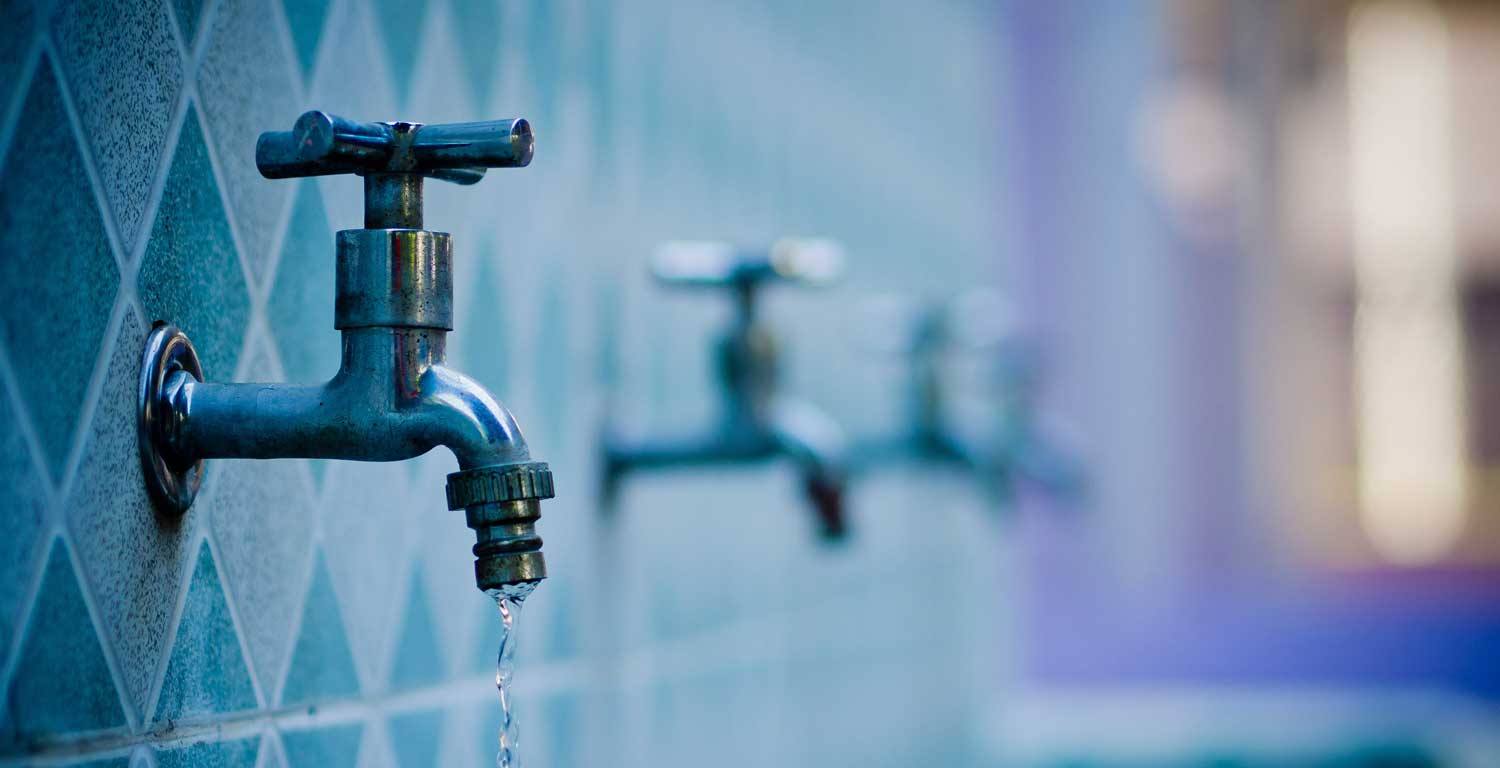
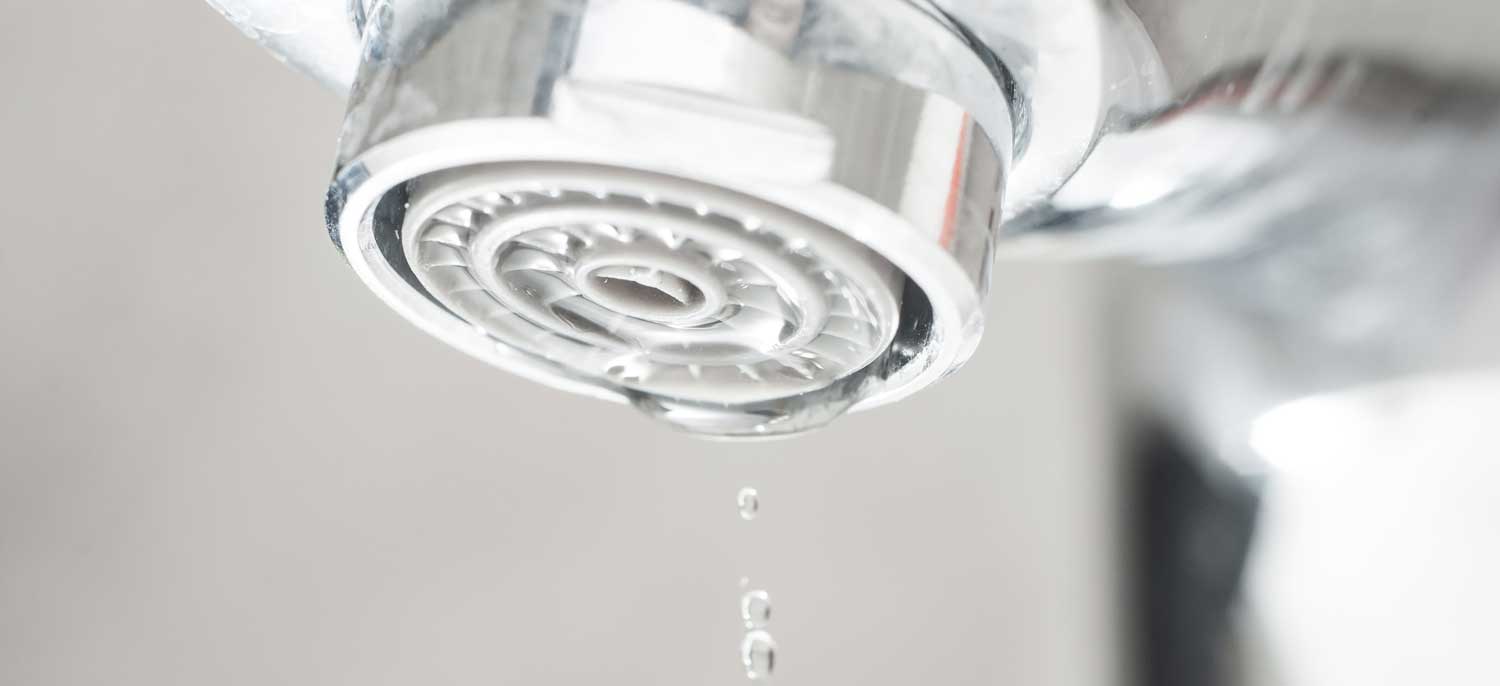
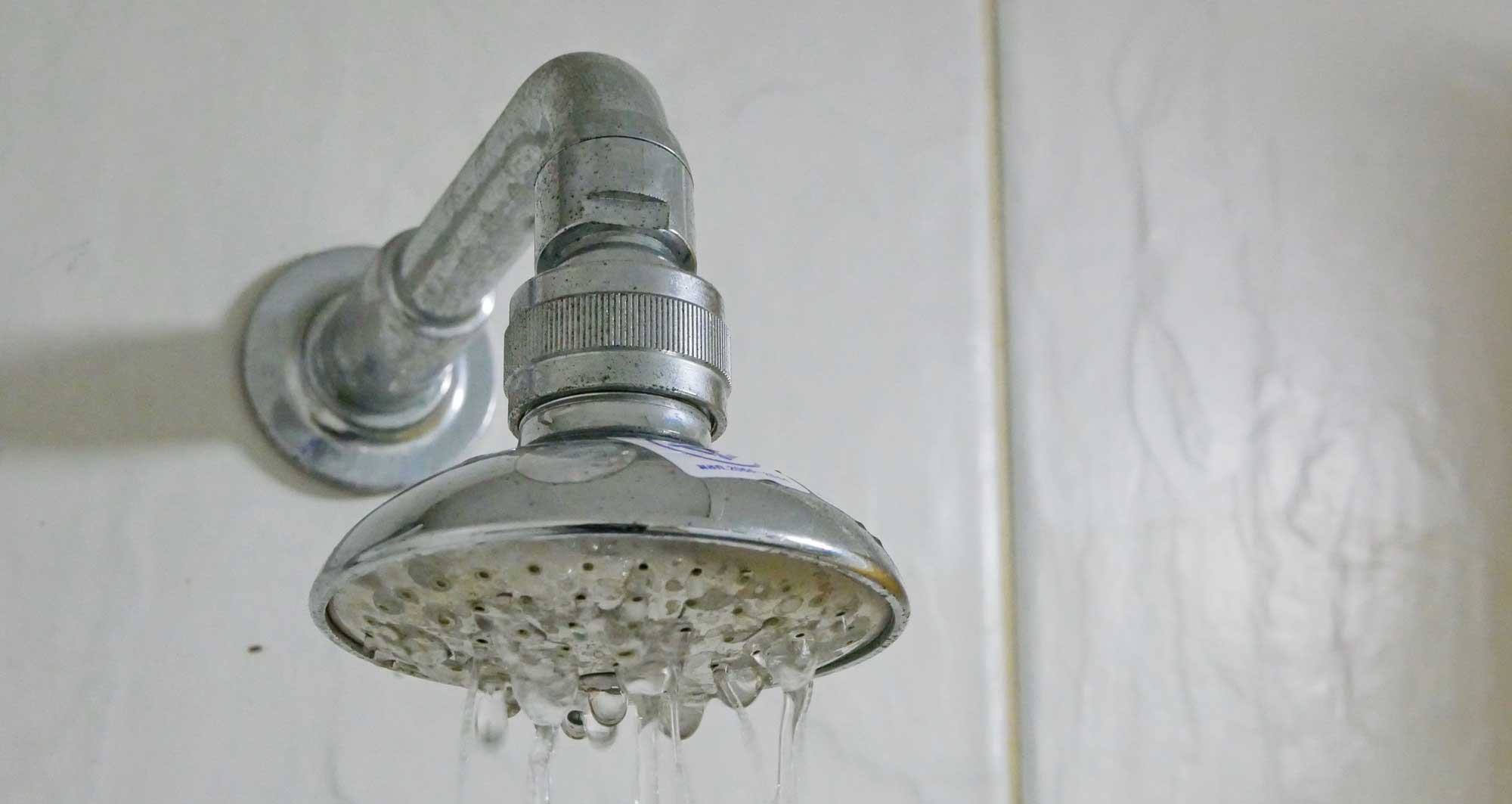
Low water pressure in your house can be a gradual household issue. At first, it’s just the shower taking longer. Then the pressure in your water taps feels weaker. Eventually, running more than one outlet at a time becomes a problem.
By January, this is one of the most common plumbing complaints in Irish homes. Cold weather exposes pressure issues that were already there — and suddenly a small annoyance turns into something that affects the whole house.
The good news is that low water pressure usually has a clear cause. The process requires you to identify inspection areas and determine which parts you can examine by yourself before you need to contact a plumber.
Table of Contents
- What Counts as Low Water Pressure in an Irish Home?
- Signs of Low Water Pressure You Shouldn’t Ignore
- Common Causes of Low Water Pressure in Irish Houses
- 1. Issues with the Public or Municipal Water Supply
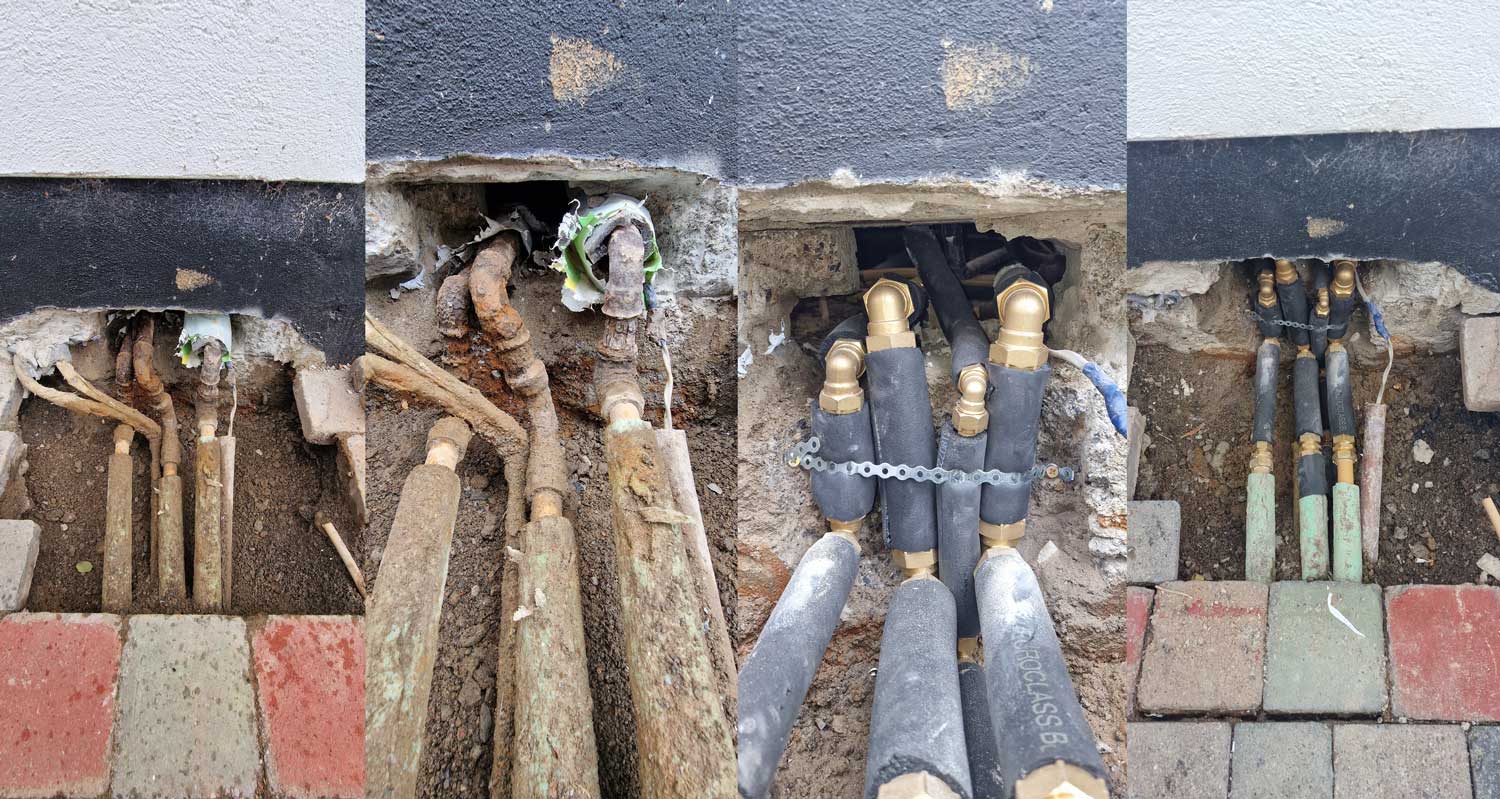
- 2. Problems at the Main Water Line or Water Meter
- 3. Internal Plumbing Restrictions
- 4. Pressure Regulator or Pressure-Reducing Valve Faults
- 5. Gravity-Fed vs Mains-Fed Water Systems
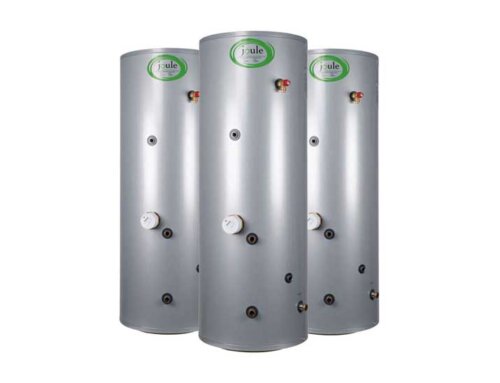
- 6. Water Heater or Hot Water System Issues
What Counts as Low Water Pressure in an Irish Home?
Water pressure isn’t something most people measure until there’s a problem in their house. The practical measurement of 40 PSI does not meet the typical pressure needs which modern homes require for their systems.
Anything below that often leads to:
- Weak water flow from taps
- Poor shower performance
- Pressure drops when more than one outlet is used
It’s also important to separate pressure from flow.
You might have decent pressure at the tap, but restricted pipework can still limit the amount of water getting through. That’s why some houses feel fine at the kitchen sink but struggle upstairs.
Signs of Low Water Pressure You Shouldn’t Ignore
Low water pressure rarely fails all at once. It shows up as a pattern.
Common signs include:
- Pressure drops when a second tap or appliance is turned on
- Hot water pressure is worse than cold (More info on: Hot Water Cylinder Replacement)
- Upstairs bathrooms are struggling, while downstairs seems fine
- Radiators or appliances reacting slowly to demand
- Pressure that improves briefly, then drops again
If the pressure issue affects the whole house, the cause is usually at the main supply, pipework, or system level — not a single tap.
Common Causes of Low Water Pressure in Irish Houses
1. Issues with the Public or Municipal Water Supply
Your problem exists in a space which reaches further than your front door entrance.
Water suppliers control incoming pressure, and temporary drops can happen due to:
- Maintenance works
- High water demand during cold spells
- Local supply restrictions
It’s worth knocking on a neighbour’s door before assuming the problem is on your end. If they’re having the same trouble, the issue likely sits with the water company — and they may already be working on it (More info on: Air to Water Heating Systems) .
2. Problems at the Main Water Line or Water Meter
This is one of the most overlooked causes.
Where the water line enters the house, there will be:
- a water meter
- a meter valve
- a main water shut-off valve
The house water supply will experience reduced flow because the valve must be fully open while maintaining its original flexibility. The system experiences a major pressure reduction because it continues to operate with limited capacity.
Older valves are especially prone to this.
3. Internal Plumbing Restrictions
Inside the house, pipework plays a huge role in water pressure.
Common issues include (More info on: Gas Boiler Repair The Ultimate Guide) :
- Internal corrosion
- Scale build-up in areas with hard water
- Outdated pipe diameters restricting flow
The established boundaries do not prevent water from passing through. The system operates by decreasing pressure levels, which results in progressive deterioration of pressure-related issues.
4. Pressure Regulator or Pressure-Reducing Valve Faults
Many homes have a pressure regulator — also known as a pressure-reducing valve (PRV) — installed on the main water line (More info on: Cost of Installing an Air-to-Water Heat Pump in Ireland) . The system functions to manage water pressure entering the system while protecting both plumbing systems and household devices from harm.
The valve will start to fail when it blocks water circulation while simultaneously creating unexpected pressure decreases in all household areas.
The regulator is usually hidden away somewhere you’d never think to look, so it’s often the last thing that gets checked — if it gets checked at all.
5. Gravity-Fed vs Mains-Fed Water Systems
The water supply systems in homes built before 2000 depend on gravity-fed systems for their operation (More info on: Heat Pumps 101) .
Gravity-fed water depends on:
- Tank height
- Pipe runs
- Minimal resistance
As demand increases — modern showers, mixers, multiple bathrooms — these systems struggle to keep up. The result is weak pressure, especially upstairs.
Mains-fed systems provide steadier pressure, but only if the incoming supply and pipework can support it.
6. Water Heater or Hot Water System Issues
If hot water pressure is noticeably worse than cold, the issue may be:
- Restrictive valves
- Older cylinders
- Partially blocked hot water pipework
The water heater itself is often blamed, but it’s usually a distribution issue rather than the appliance. (More info on: Water heater replacement)
7. Hidden Water Leaks
Even a single leak somewhere in the system can drag down water pressure across the whole house.
The trouble with leaks is they’re not always obvious straight away. They can:
- Reduce pressure throughout the house
- Get worse when the demand on the system is higher
- Deteriorate gradually over time
If you’re noticing unexplained dampness, higher water bills, or pressure that keeps dropping for no clear reason, there’s a good chance you have a leak somewhere in the system.
Simple Checks You Can Do Before Calling a Plumber
Before picking up the phone, there are a few basic things worth checking yourself:
- Make sure the main water shut-off valve is fully open
- Check the water meter valve hasn’t been disturbed
- Test the pressure at different points around the house — upstairs, downstairs, and at every tap
- Check whether pressure changes at different times of the day
If pressure improves briefly but keeps dropping back again, the problem is beyond a basic fix.
How to Measure Your Water Pressure Properly
A standard pressure gauge will give you a straightforward answer.
- Attach it to an outside tap or washing machine connection
- Turn the tap fully on
- Check the reading
If the reading is below 40 PSI, you’re dealing with genuinely low water pressure. If the pressure reads normal but flow still feels weak, the problem is more likely a restriction somewhere in the pipework.
Can You Fix Low Water Pressure Yourself?
Some fixes for low water pressure do work — when the cause is simple.
Things like adjusting a valve, cleaning out aerators, or checking the supply can all be done without a plumber. But if you’ve tried the basics and nothing has improved, the system needs a closer look.
Quick fixes can mask the symptoms, but they won’t sort out the underlying cause of a pressure problem.
Should You Install a Booster Pump?
Booster pumps can improve water pressure, but they’re not a solution for every situation (More info on: Water Pump Repair Dublin).
They work best when:
- Incoming pressure is stable but low
- Pipework is in good condition
They don’t fix:
- Blocked or restricted pipes
- Failing valves
- System design limitations
Fitting a pump onto a system that’s already restricted usually creates more problems — noise, wear on the pump, and further strain on the pipework.
When to Call a Plumber for Low Water Pressure
It’s time to call a plumber when:
- You’re experiencing low water pressure throughout the house
- Pressure drops keep returning
- Multiple fixes haven’t worked
- Pipework or system layout is suspected
At that point, what you need is a proper diagnosis — not more guesswork. Low water pressure is rarely the root issue itself. It’s a sign that something in the system isn’t working the way it should be (More info on: How Geothermal Heating Systems Work) . Once you identify the actual cause, getting the pressure back to where it needs to be is usually straightforward. But guessing rarely gets you there.
Don’t sit on a water pressure problem — small issues have a habit of turning into bigger ones when they’re left alone.
Radiators Not Heating Up? …Read our blog post for full details


Leave A Comment