Radiators Not Heating Up – Most homeowners assume radiator problems come down to something simple. A bit of air in the system. A valve that needs turning. Maybe the boiler playing up.
So the radiators get bled. The system gets balanced. The boiler pressure is topped up.
And for a while, things seem to improve.
Then the same rooms start going cold again. The furthest radiators struggle. Upstairs stays cold for most of the day. One room is roasting while the one next to it barely takes the chill off. By January, it becomes obvious that the quick fixes haven’t actually fixed anything.
At that stage, the problem usually isn’t the radiator itself. It’s the system behind it.
Table of Contents
- When Bleeding and Balancing Don’t Solve the Problem
- The Pattern That Points to Circulation Issues
- Common System-Level Causes of Radiators Not Heating Up
- 1. Restricted Pipework and Flow Limitations
- 2. Sludge Build-Up Inside the System
- 3. Pump Limitations or Mismatch
- 4. Poor System Layout or Extended Pipe Runs
- 5. Valve and Control Issues
- Why the Boiler Often Gets Blamed (Unfairly)
- When DIY Won’t Cut It
- Does the Entire System Need Replacing?
- Why These Problems Show Up in Winter
- When to Call a Plumber
- The Bottom Line
When Bleeding and Balancing Don’t Solve the Problem
Bleeding gets rid of trapped air. Balancing helps spread heat more evenly. Both are good maintenance steps, but neither will solve a problem caused by poor water circulation.
If the radiators still aren’t heating up after you’ve done both, the chances are:
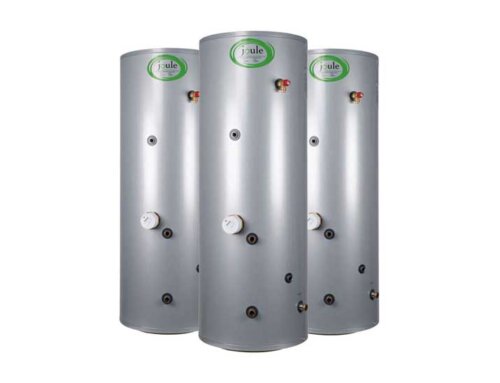
- Hot water isn’t moving freely through the system (More info on: Hot Water Cylinder Replacement)
- Flow is being restricted somewhere in the pipework
- The system layout no longer matches how the house is being used
This comes up a lot in Irish houses built between the 1960s and the early 2000s.
Radiators not heating up – The Pattern That Points to Circulation Issues
The pattern is one of the biggest clues:
- Radiators close to the boiler heat up quickly
- Radiators further away stay lukewarm or cold
- Upstairs rooms lag behind downstairs
- Some rooms cool down faster than others
That’s a circulation problem.
Hot water takes the path of least resistance (More info on: Hot Water Cylinder Price Ireland) . When that resistance builds up — through narrow pipes, old valves, sludge, or poor system design — the system stops working evenly. The boiler might be running perfectly, but the heat just can’t get to where it’s needed (More info on: Electric boiler running costs Ireland) .
Common System-Level Causes of Radiators Not Heating Up
1. Restricted Pipework and Flow Limitations
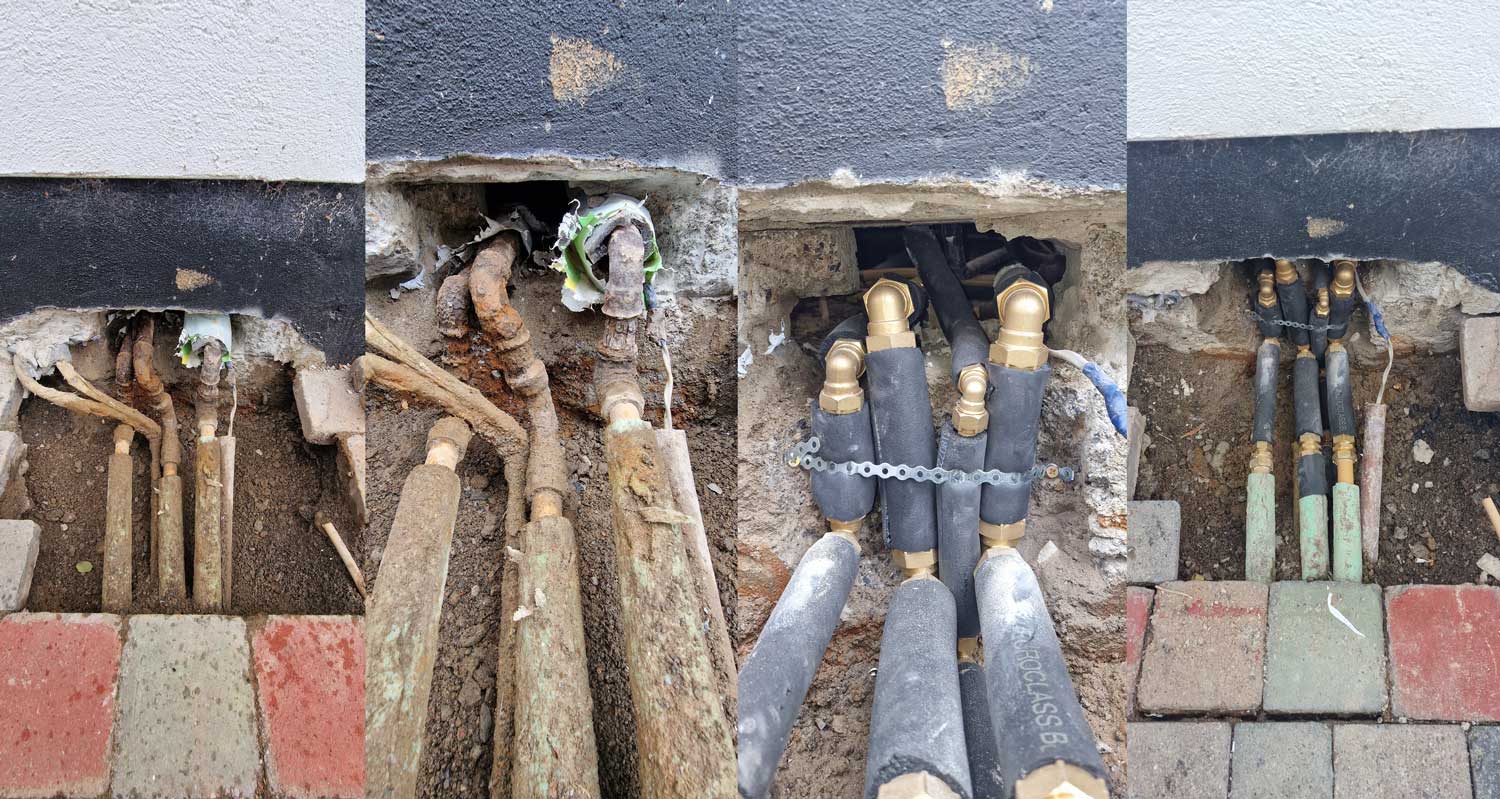
Older pipework is one of the biggest culprits, and one most people don’t think to check.
- Microbore pipework struggles to cope with the demands of a modern heating system
- Old copper pipes narrow internally over the years as corrosion builds up
- Steel or mixed-material systems create uneven flow resistance
When the pipe diameter is too small or internal restrictions have built up, the first radiators to suffer are always the ones furthest from the boiler. No amount of balancing can force water through pipework that physically can’t carry the volume needed.
2. Sludge Build-Up Inside the System
Once sludge gets into a heating system, it doesn’t stay in one place. It moves through the whole network.
As it builds up, it:
- Reduces flow rates
- Blocks heat exchangers
- Causes cold spots in radiators
- Forces the pump and boiler to work harder than they should
In the later stages, you’ll notice the top of a radiator getting warm while the bottom stays cold, or the system giving a short burst of heat before cooling off again. Flushing can help in some cases, but if the pipework or system design is already marginal, sludge is usually a symptom — not the root cause.
3. Pump Limitations or Mismatch
Pumps are often upgraded as a “solution”, but this can backfire.
A more powerful pump might push heat around the house for a while, but it won’t remove the underlying restrictions (More info on: Heat Pumps Ireland) . Instead, it can:
- Increase noise in the pipework
- Accelerate wear on valves and fittings
- Create unstable flow patterns
If the system needs an oversized pump just to function, there’s usually something else going on.
4. Poor System Layout or Extended Pipe Runs
A lot of Irish homes have evolved over the years (More info on: Which Smart Thermostat Should You Pick for an Irish Home?) . Extensions added. Attics converted. Extra bathrooms put in. Radiators fitted wherever there was space.
But the original heating system was rarely redesigned to account for any of that.
As a result:
- Pipe runs end up long and inefficient
- Some radiators are effectively last in line
- Heat distribution becomes uneven across the house
A system that suited a three-bed semi in 1985 won’t cope the same way once the house has been turned into a five-bed family home.
5. Valve and Control Issues
Thermostatic radiator valves (TRVs) can stick, seize, or only partially open over time. Lockshield valves may never have been sized correctly for the system in the first place.
Until the system can function as one connected unit, valve failures and balancing issues will keep coming back. Stable systems stay balanced. Unstable ones don’t.
Why the Boiler Often Gets Blamed (Unfairly)
Modern boilers are designed to modulate their output — they adjust based on demand. But they need water to flow properly to do their job.
When circulation is poor:
- Boilers cycle on and off repeatedly
- Flow temperatures spike
- Efficiency drops
- Fault codes start appearing
From the homeowner’s perspective, it looks like a boiler problem. In reality, the boiler is reacting to a system that can’t move heat around properly.
Replacing the boiler without sorting out the circulation issues usually leads to the exact same complaints — just with a newer appliance.
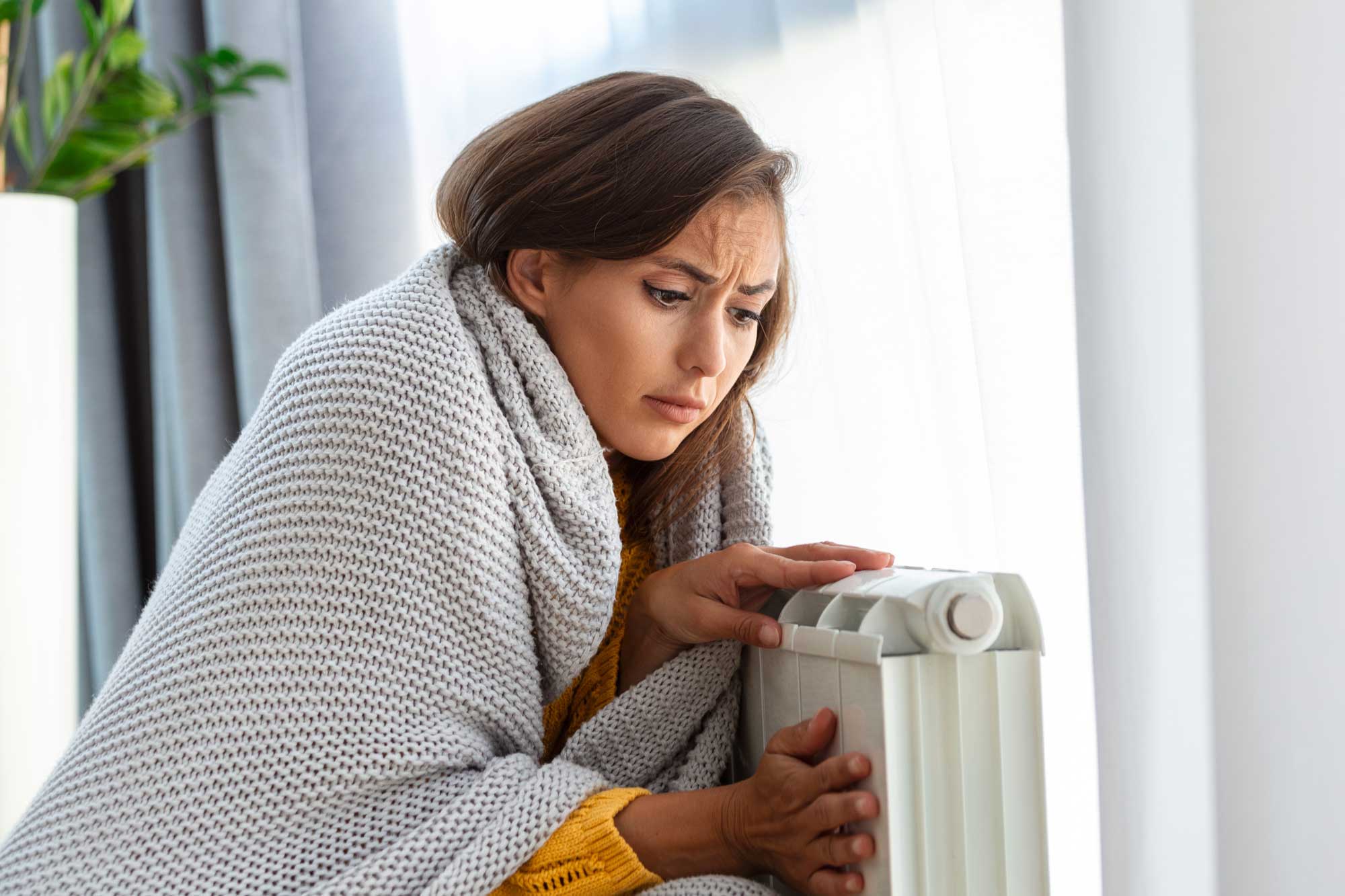
Radiators not heating up – When DIY Won’t Cut It
Basic maintenance won’t solve the problem if any of the following sound familiar:
- Radiators heat unevenly every winter
- The same rooms are always cold
- The system worked for a while after the last fix but broke down again (More info on: How Geothermal Heating Systems Work)
- Pumps and valves have been replaced but the issue persists
- The system is noisy or unstable
- Performance falls off a cliff once temperatures drop below freezing
These aren’t random faults. They’re signs of a deeper problem with how the system is set up.
Does the Entire System Need Replacing?
Not necessarily — but you need a proper diagnosis before anything else.
A professional inspection looks at:
- Pipe sizes and routes
- Flow rates across the system
- Pump performance relative to demand
- Sludge presence and movement
- Layout changes made over the years
In some cases, targeted pipe upgrades or reconfiguring parts of the system is enough to get things working again. In others, the system has been pushed past the point where patching it up makes sense.
The key is knowing which situation you’re dealing with before spending more money.
Why These Problems Show Up in Winter
Cold weather exposes every weakness a heating system has been hiding (More info on: Heat Pumps 101).
The system has to work harder. More radiators running at the same time. Demand goes up. Water temperatures rise faster. Small restrictions that weren’t noticeable in October become major problems by January.
Radiator complaints peak in winter not because systems suddenly break — but because they’re finally being pushed to their limits.
Radiators not heating up – When to Call a Plumber
It’s time to bring in a professional when:
- Radiators throughout the house aren’t heating up properly
- Basic fixes no longer hold
- Heat distribution doesn’t make sense from room to room
- The system has been modified over the years
- You need a lasting fix, not another temporary adjustment
At that point, the goal isn’t another quick fix. It’s understanding how the system is behaving, what’s changed, and what needs to happen to get it right.
The Bottom Line
Radiators that don’t heat up are rarely the real problem. They’re the visible symptom of something going on deeper in the system.
Once you identify the actual cause — whether that’s circulation, pipework, layout, or design — the solution usually becomes clear. Fix the underlying issue and the heating becomes stable and reliable throughout the whole house.
Ignore it, and you’ll be dealing with the same problem again next winter.


Leave A Comment