

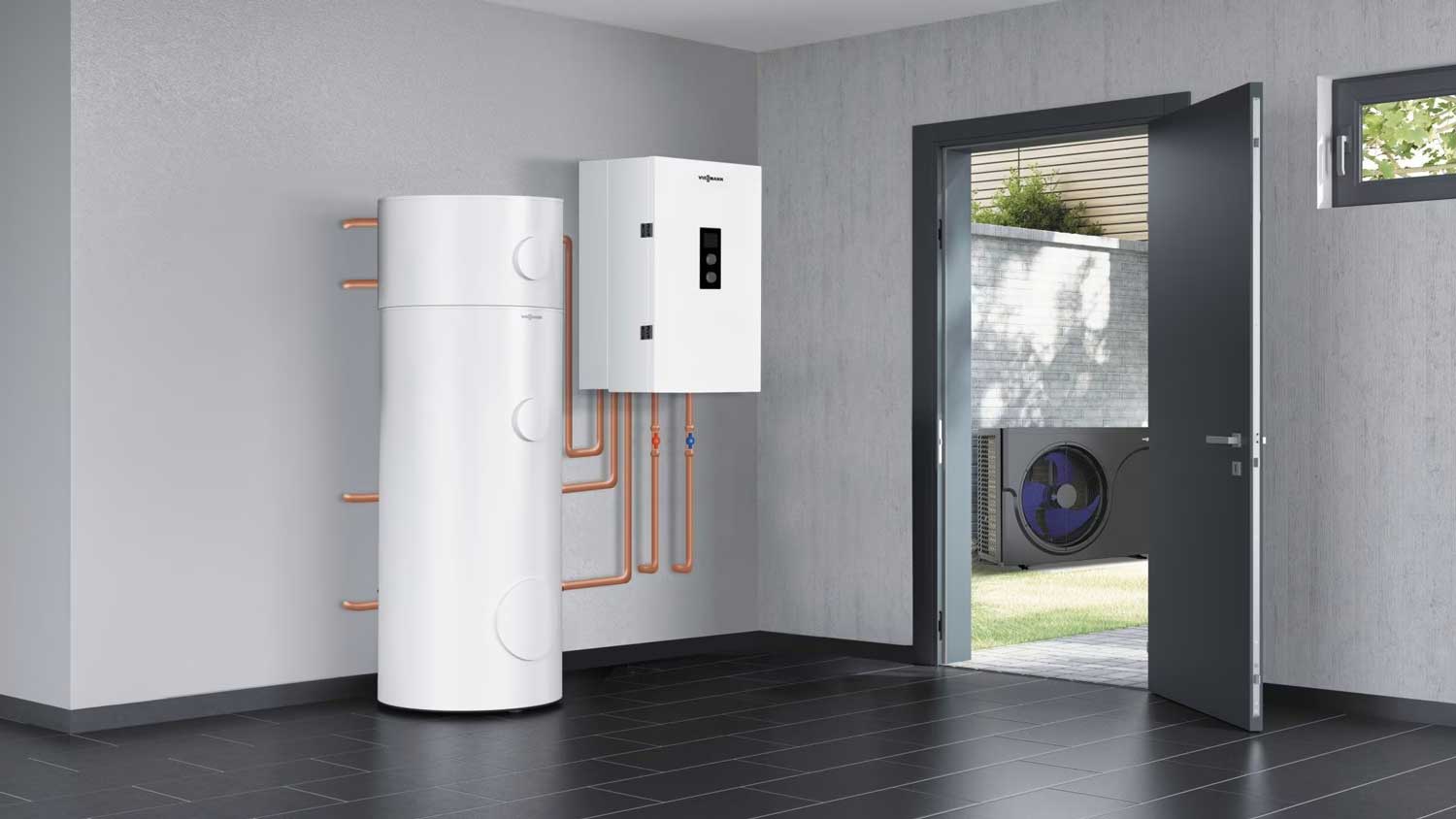
Heat Pump Grants Ireland 2026 – Most people don’t decide to get a heat pump out of nowhere.
It usually creeps up. The boiler is on its last legs. The bills keep climbing no matter what the thermostat says. The house takes forever to warm up in January and never quite holds the heat. Then a neighbour gets one fitted, or someone at work mentions the grant they got, and the question shifts from “should we bother?” to “hang on — how much can we actually claim here?”
That’s usually where the confusion starts.
Because nearly everyone knows heat pump grants exist. Far fewer people know what the grant is actually worth in 2026, whether their own house would pass, or what SEAI wants to see before they’ll approve anything. This guide clears that up in plain English, using the figures that apply right now.
Table of Contents
- How much are the heat pump grants worth in 2026?
- Who actually qualifies for a heat pump grant?
- The BER and heat loss bit — where people get stuck
- Do you really need to rip out every radiator?
- The hot water cylinder catch
- Why SEAI insists on all the paperwork
- The cheapest quote is rarely the cheapest option
- What does a heat pump cost in Ireland in 2026?
- How NRM handles the survey and quotation
- So — will your home qualify?
- Heat pump grants: quick FAQ
How much are the heat pump grants worth in 2026?
Let’s deal with the biggest misconception first, because it’s the one that catches people out most.
A lot of homeowners still assume a heat pump grant covers a few hundred euro. It doesn’t. Not even close.
Since 3 February 2026, SEAI’s heat pump grant increased to a maximum of €12,500 for houses — nearly double the €6,500 it was before. Apartments qualify for up to €9,500. That’s a serious chunk off the cost of a project, and it’s changed the maths for a lot of homes that had written a heat pump off as too dear (more info on: How to Prepare Your Home for a Heat Pump).
Here’s the part people don’t realise: the €12,500 isn’t one grant. It’s three, bundled together:
- The heat pump system grant for the installation itself (more info on: Heat Pump Installers Ireland Recommends)
- A €4,000 Renewable Heat Bonus — this one applies if you’re replacing an oil boiler, gas boiler, solid fuel system or electric storage heating
- Up to €2,000 towards central heating upgrades, such as new radiators or underfloor heating, where the system needs them (more info on: New Central Heating Radiators)
You don’t apply for each piece separately. SEAI works out your total based on your situation. And if you already had an open application in the system before 3 February, you’re bumped up to the new amounts automatically — you don’t lose out for having applied early.
Worth knowing: the Renewable Heat Bonus only kicks in when you’re switching away from fossil fuels or electric storage heating. If you already have an older heat pump you’re replacing, the numbers work differently.
Who actually qualifies for a heat pump grant?
This is where the questions come thick and fast, and most of them are built on myths.
“Our house is too old.” “They only work in new builds.” “You’d need an A-rated home before they’d even look at you.”
None of that holds up.
The main eligibility rule is straightforward: your home needs to have been built and occupied before 2021, and it needs an MPRN — that’s the meter point reference number on your electricity bill (more info on: New Gas Boiler Replacement). The age of the house isn’t the deciding factor beyond that. Victorian terraces, 1960s semis, 1980s estates, rural detached houses — all sorts qualify.
What SEAI actually cares about isn’t how old the walls are. It’s how well the house holds onto heat once you’ve made it. That comes down to insulation, airtightness and how much heat the building loses. A heat pump runs at a lower temperature than an oil or gas boiler, so it needs a house that isn’t leaking warmth out the roof and walls to work properly and economically.
So the grant isn’t judging the age of your home. It’s judging whether the house can run a heat pump well (more info on: Heat Pump Retrofit Cost Ireland).
The BER and heat loss bit — where people get stuck
If there’s one part of the process that confuses homeowners, it’s this.
Plenty of people believe they need a B2 BER before they can even apply. That’s not quite how it works. What matters is whether your home can hit the required heat loss standard, and the number to know is the Heat Loss Indicator (HLI): SEAI wants it at 2.3 or lower.
To confirm that, most homes need a technical assessment carried out by an SEAI-registered advisor before applying — unless you already hold a valid BER cert showing your HLI is inside the threshold. Newer homes often clear it without any work. Older ones sometimes need a bit of tidying up first: attic insulation, cavity wall insulation, a window upgrade, some draught-proofing. For some houses that’s a small job. For others it’s more involved, and it’s worth doing anyway before spending on a heat pump.
There’s a small bonus here too — a €200 grant is available to cover the cost of that technical assessment, so you’re not fully out of pocket for the check.
This is exactly why getting the assessment done early is so useful. It takes the guessing out of it.
Do you really need to rip out every radiator?
Probably the most persistent myth in the whole trade.
The number of people who assume every heat pump means replacing every radiator in the house is remarkable. Sometimes radiators do need upgrading. Sometimes they’re grand as they are. It depends on the size of the rads, the heat demand of each room, the insulation, the flow temperature and the overall system design — not a blanket rule.
At NRM we fit aluminium radiators or underfloor heating as part of every package, sized to run efficiently at the lower temperatures a heat pump uses, so the system performs properly from day one. That’s also where the €2,000 central heating portion of the grant comes in for a lot of homes.
The hot water cylinder catch
Here’s one that surprises people.
Unlike a combi boiler, a heat pump works alongside a hot water cylinder. In some houses the existing cylinder is fine. In plenty of older homes it isn’t — it’s undersized, poorly insulated, or simply not built for the way a heat pump heats water (more info on: Heat Pumps 101 – Air to Water Heat Pumps – Your Guide).
That’s why a hot water cylinder replacement sometimes ends up part of the job. It doesn’t make every install expensive. It just means the heating needs to be treated as one whole system rather than a single box swapped for another.
Why SEAI insists on all the paperwork
From the outside, the assessments and heat loss calculations and sign-offs can feel like a lot of hoops. There’s a reason for them.
Heat pumps behave nothing like a boiler. A badly designed install won’t perform — running costs go up, the house never feels right, and the homeowner ends up disappointed. Most of the heat pump horror stories from the early years of the market weren’t the fault of the technology at all. They were poor design, wrong sizing, or systems dropped into homes that weren’t ready for them.
The assessment process exists to head that off. It’s not there to generate forms. It’s there to make sure the thing works for the next twenty years.
The cheapest quote is rarely the cheapest option
Following on from that — when the numbers start moving, it’s tempting to chase the lowest price. Be careful with that.
A properly designed system heats the house evenly, holds a steady temperature and sits quietly in the background. A cheap, poorly sized one does none of those things and costs you every winter afterwards. The gap between the two often comes down to whether the heat loss was calculated properly and the system was matched to the house. That’s the part worth paying for.
What does a heat pump cost in Ireland in 2026?
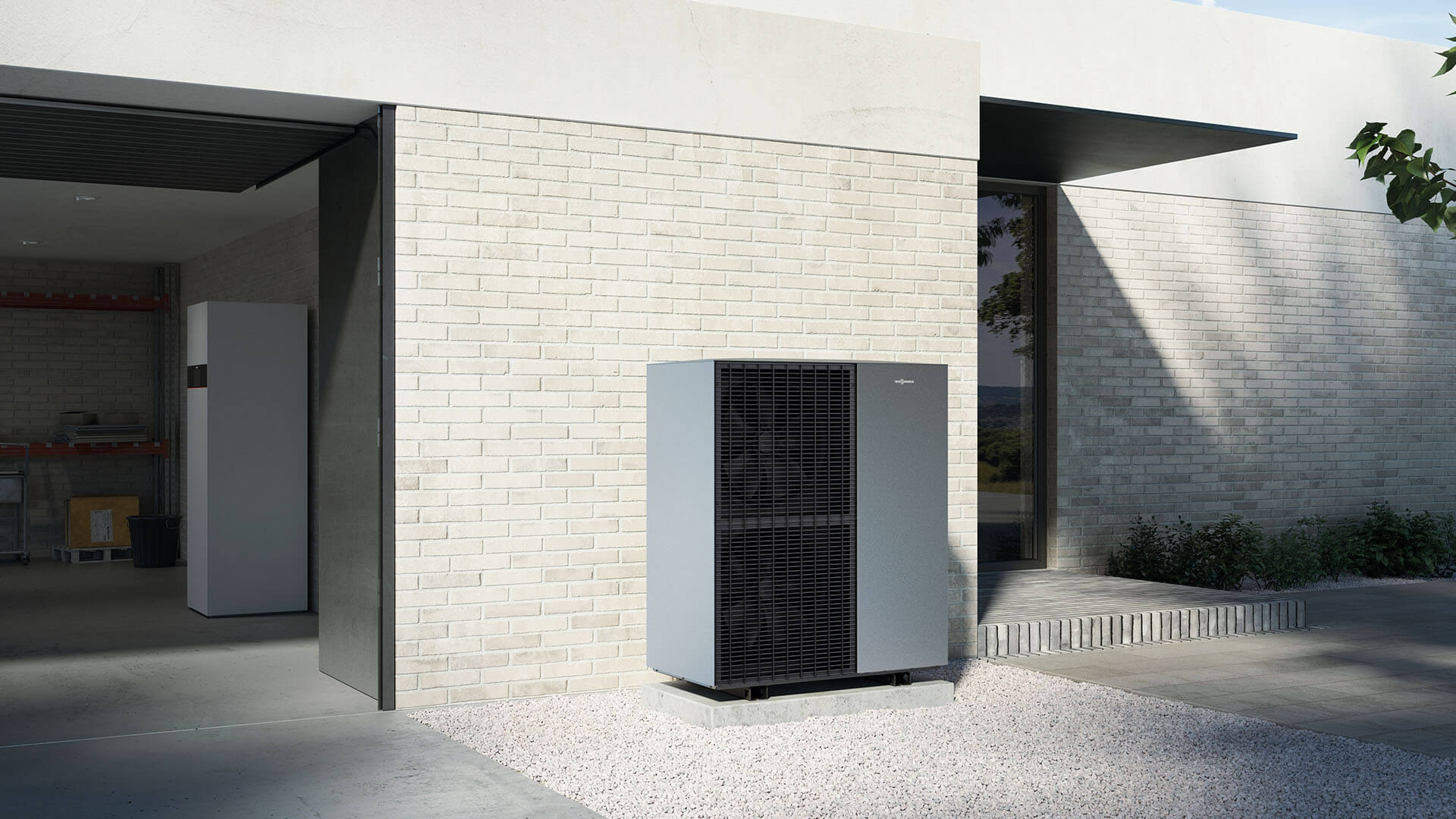
Based on NRM’s own 2026 installs across Dublin and the surrounding counties, a full air-to-water heat pump system typically runs €23,000 to €45,000 (supply and fit, VAT included), depending on the size of the house and how much radiator or underfloor work is involved. Every NRM package covers the heat pump unit and cylinder, controls, standard installation, the aluminium radiators or underfloor heating, and warranty.
Set the up-to-€12,500 grant against that and the real, out-of-pocket figure looks a lot friendlier — which is exactly why more homeowners are checking the grant position before they ring anyone.
For the record, NRM installs air-to-water systems only. We don’t do ground source or hybrid — air-to-water is the right fit for the vast majority of Irish homes, works with radiators and underfloor heating, and covers both heating and hot water.
How NRM handles the survey and quotation
We keep the process simple and in order:
- Technical assessment first. A qualified energy assessor checks whether your home is suitable and compliant with the SEAI Heat Pump Grant Scheme. We can point you towards an assessor if you need one.
- A quick call. Once we have your assessment back and suitability is confirmed, we’ll ring you for about five minutes to go through the key details of your home and anything the install might involve.
- On-site survey and quote. We then schedule a proper survey and provide a detailed quotation for €250 — and that fee is fully deducted from the final cost if you go ahead.
So — will your home qualify?
Honestly, most people are surprised.
Houses the owners had already dismissed often sail through. Meanwhile, a few homes that look perfect on paper turn out to need more work than expected. Until it’s actually assessed, guessing just breeds confusion. What decides it is heat loss, insulation, how the heat is distributed, the hot water setup and whether the system suits the house — not the year it was built.
If you’re weighing it up, the smart first move isn’t picking a brand or a model. It’s finding out whether your home is likely to qualify and what support you can claim. Once that’s clear, the rest of the decision gets a lot easier.
Our Heat Pumps Ireland team can assess suitability, walk you through the grant process and take it from there. Because the grant might start the conversation — but getting the system right for the house is what makes it pay off for years afterwards.
Heat pump grants: quick FAQ
How much is the SEAI heat pump grant in 2026?
Up to €12,500 for houses (up to €9,500 for apartments), following the increase on 3 February 2026 from the previous €6,500. It’s a bundle of the heat pump system grant, a €4,000 Renewable Heat Bonus, and up to €2,000 for central heating upgrades.
Who qualifies for a heat pump grant?
Homeowners of a property built and occupied before 2021, with an MPRN, whose home can meet a Heat Loss Indicator of 2.3 or lower — confirmed by a technical assessment or a valid BER.
Do I need a technical assessment before applying?
In most cases yes, unless you already hold a valid BER showing your HLI is 2.3 or under. A €200 grant is available towards the cost of the assessment.
Will my existing radiators work with a heat pump?
Sometimes, sometimes not — it depends on sizing and heat demand. NRM includes aluminium radiators or underfloor heating in every package so the system runs efficiently at lower temperatures.
What does a heat pump cost after the grant?
NRM’s air-to-water installs typically run €23,000–€45,000 before grants; with up to €12,500 back from SEAI, the net figure comes down considerably depending on your home.