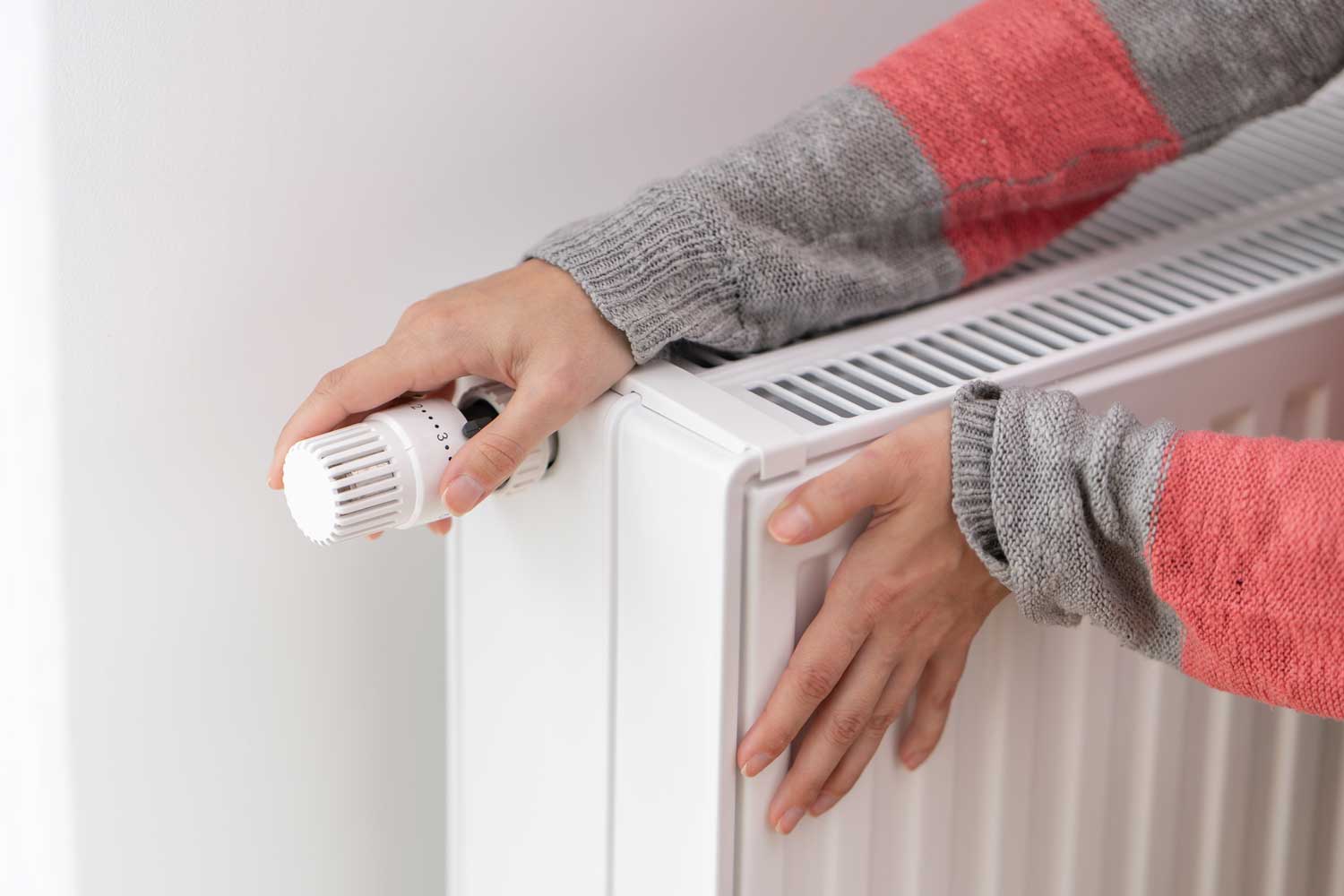
Most people don’t pay much attention to their radiators until one of them stops heating properly.
Usually it starts gradually.
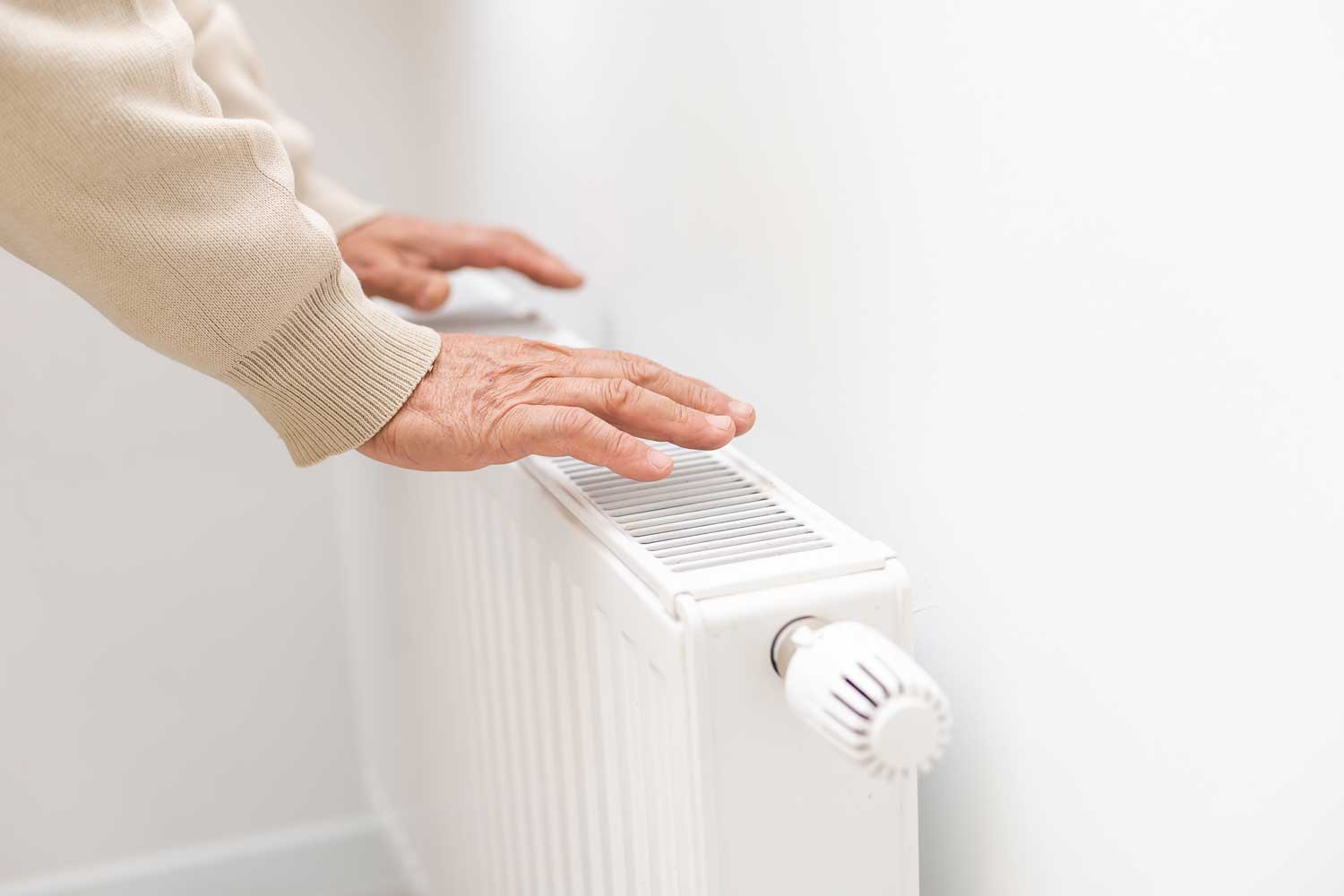
You notice one room takes longer to warm up than the others. Maybe the radiator feels warm across the top, but the bottom half stays cold no matter how long the heating is on. Sometimes the house still gets warm eventually, so it doesn’t feel urgent at first.
A lot of homeowners assume it just needs bleeding.
So they bleed the radiator.
Maybe it improves slightly. Maybe it doesn’t change at all.
Then, a few weeks later, the same thing is happening again.
That’s usually the point where it becomes obvious the issue isn’t really the radiator itself.
It’s the heating system behind it.
Table of Contents
Why Radiators Go Cold at the Bottom
Why Your Radiators Are Cold At The Bottom And Hot At The Top?
First, the hot water enters the radiator, then as it cools, it will rise up through the top half of the radiator, which is why the top of the radiator is warm. As time passes, the dirtier, heavier system water with the debris it has picked up will settle in the bottom half of the radiator.
These particles of corrosion, plus the dirty system water that is left in the radiator after the heating has been switched off, will slowly start to fill the bottom half of the radiator. This will restrict the flow of hot water up through the bottom of the radiator and will mean that the bottom of the radiator will not receive as much hot water as the top of the radiator.
The result is exactly what many homeowners notice:
- top of radiator warm
- bottom cold
- rooms taking longer to heat
- heating struggles during colder weather
This problem is not likely to be confined to a single radiator, and several months later, another will start to go cold from the bottom up and then another and so on.
Many people find that this problem does not affect just one radiator in a house and after a while, another will suffer from the same problem.
This problem is not confined to one radiator, as the problem to heating of a house in general is slowly but surely being decreased as the heating system in a house loses efficiency in distributing the heat.
Sludge Build-Up Inside the Heating System
This is a very common problem in older Dublin homes with heating systems.
Corrosion particles can also form in older heating systems as radiators, valves and pipework age. These particles can mix with the dirty system water to form a thick, black sludge. This sludge can then settle in the lowest points in the system, such as the bottom of radiators, low pipe runs, around bends in older pipework and other areas where there is poor circulation.
Sludge collects at the lowest point in the system.
- radiators
- low pipe runs
- bends in older pipework
- poor circulation areas
The buildup of sludge in your heating system can cause problems for the whole system and, in turn, cause other heating problems.
Homeowners usually notice things like:
- radiators slow to heat up
- cold spots at the bottom
- upstairs rooms are colder than downstairs ones
- boiler is taking longer to warm the house
- heating never feels quite as strong as before
The water coming out of the bleed can even appear almost black, giving an indication of how long the system may have been carrying sludge.
In addition, the sludge problems in your central heating system are often interrelated with other heating problems.
Systems struggling with circulation often also develop:
- pressure fluctuations
- boiler noises
- short cycling
- uneven room temperatures
- higher heating bills
This is also the reason why so many circulation-related problems are found by boiler service Dublin engineers during the required boiler repair Dublin.
The radiator is usually the symptom that you can feel!
Why Bleeding the Radiator Often Doesn’t Fix It
This is where a lot of homeowners get frustrated.
They bleed the radiator because that’s what everyone tells them to do.
And sometimes it seems to help for a while.
But then the radiator goes cold again a few weeks later.
The reason is simple.
Bleeding removes trapped air.
It does not remove sludge.
If the radiator is cold at the bottom because circulation is restricted by debris inside the system, bleeding won’t solve the actual cause.
That’s why the same heating problems tend to keep returning:
- cold radiators
- uneven heating
- slow warm-up times
- constant pressure top-ups
Homeowners often spend months resetting, bleeding and topping things up before realising the system itself is struggling underneath.

Poor Circulation & Pump Problems
Sometimes the issue goes beyond sludge alone.
Older heating systems often start developing weak circulation, generally.
The circulation pump may weaken over time. Pipework may be undersized for modern heating demand. Additional radiators may have been added years after the original system was installed.
The result is a heating system that can no longer move heat efficiently around the property.
You’ll usually notice signs like:
- some radiators heating slower than others
- rooms furthest from the boiler stay colder
- heating taking hours to warm the house
- boiler is constantly firing up and down
Cold weather normally exposes these weaknesses much faster.
During winter, the system suddenly has to:
- run longer
- heat more aggressively
- circulate water faster
- maintain stable temperatures throughout the house
That’s why many heating systems seem to “suddenly” develop problems once temperatures drop.
In reality, the weaknesses were usually building slowly for years.
Older Dublin Heating Systems Under Strain
A lot of heating systems across Dublin were never designed for how homes are used today.
Over time, properties change.
Extensions get added. Attics get converted. Extra radiators go in. More demand gets placed on the original heating layout.
But the system underneath often stays largely the same.
That’s when circulation problems start appearing more regularly.
One room struggles first.
Then another.
Then eventually, homeowners notice the entire house takes longer to heat than it used to.
Many older systems are now operating under far more demand than they were originally built for.
And once sludge, weak circulation and ageing components combine, the system starts showing multiple symptoms at once.
When Cold Radiators Point to Bigger Heating Problems
This is the stage where homeowners usually realise the radiator itself isn’t really the problem anymore.
Because by this point, other issues often start appearing too:
- boiler pressure dropping
- heating slow to warm up
- boiler making noises
- rooms heating unevenly
- frequent resets
- rising heating bills
These symptoms are usually connected.
They point toward a heating system that’s struggling as a whole rather than one isolated fault.
This is exactly why many homeowners eventually start exploring options like Gas Boiler Replacement Dublin once recurring circulation and heating problems begin affecting comfort throughout the house.
Modern systems are simply much better at handling today’s heating demand efficiently.
When Repair Stops Making Sense
Every heating system eventually reaches the point where temporary fixes stop being cost-effective.
At first, the issues feel manageable.
Bleed a radiator. Reset the boiler. Replace a valve. Top up the pressure.
But when the same faults keep returning every winter, the system is usually telling you something more important.
Older systems dealing with:
- sludge build-up
- circulation problems
- pressure instability
- inefficient boilers
- constant heating imbalance
…often end up costing far more over time through repairs, inefficiency and rising energy use.
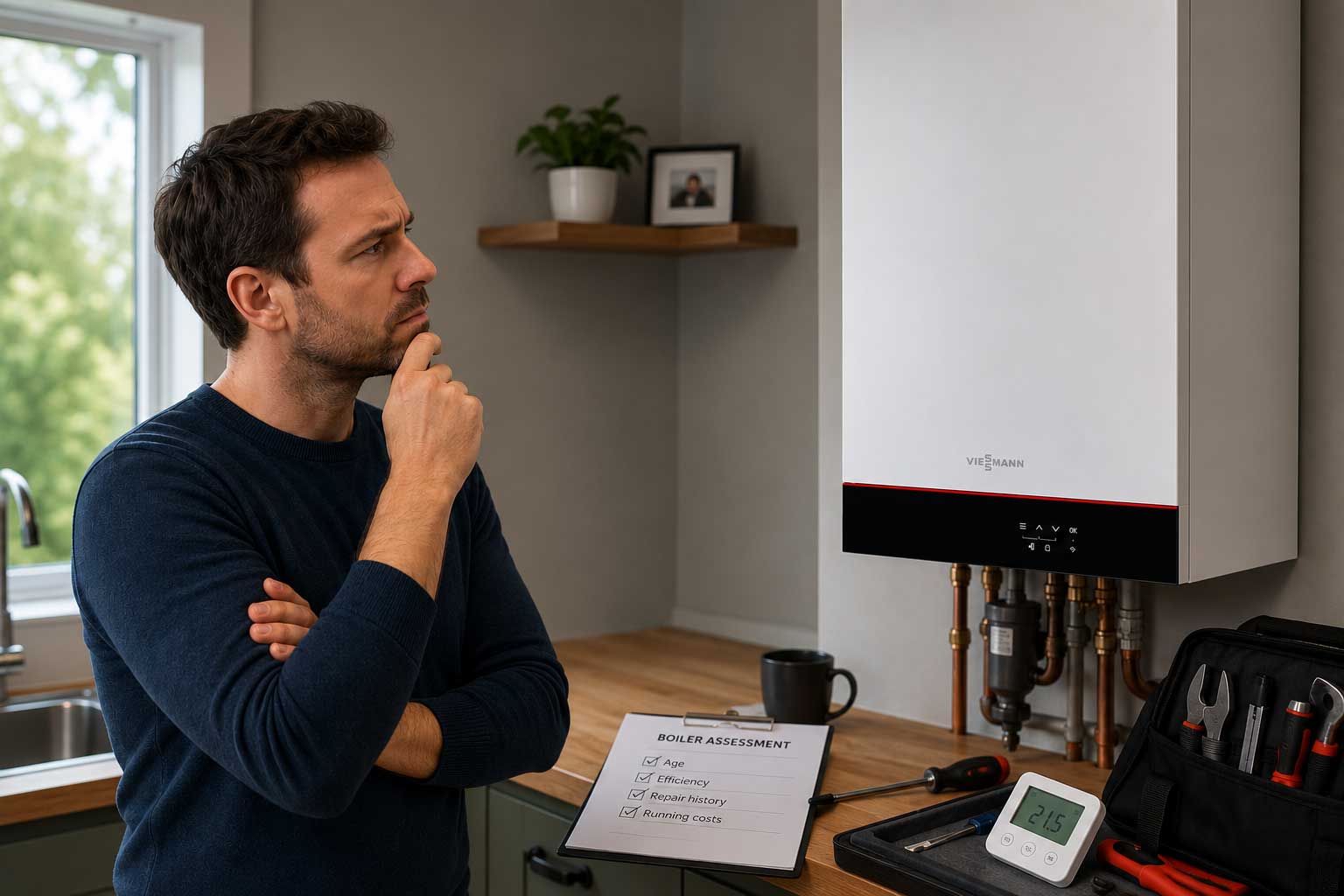
That’s why many homeowners upgrading older heating systems now look toward modern solutions like Worcester Bosch Boilers, Viessmann boilers, Electric Boilers Dublin and Heat Pumps Ireland.
The biggest difference homeowners usually notice isn’t just efficiency.
It’s stability.
The heating simply works properly again.
What To Do Next
If your radiator is cold at the bottom, try not to look at it as “just one radiator problem.”
In many homes, it’s an early warning sign that the heating system itself is struggling with circulation, sludge or overall efficiency.
And the longer those issues are ignored, the more strain is placed on the rest of the system.
Getting the system inspected properly early usually prevents much larger heating problems later.
If your radiators are repeatedly developing cold spots, rooms are heating unevenly or the heating simply doesn’t feel as effective as it used to, it’s worth arranging a full inspection with our Plumbing Dublin team before the problems continue spreading through the system.
Ever wondered about Heat Pump Grants in Ireland in 2026. Check out our latest blog post.