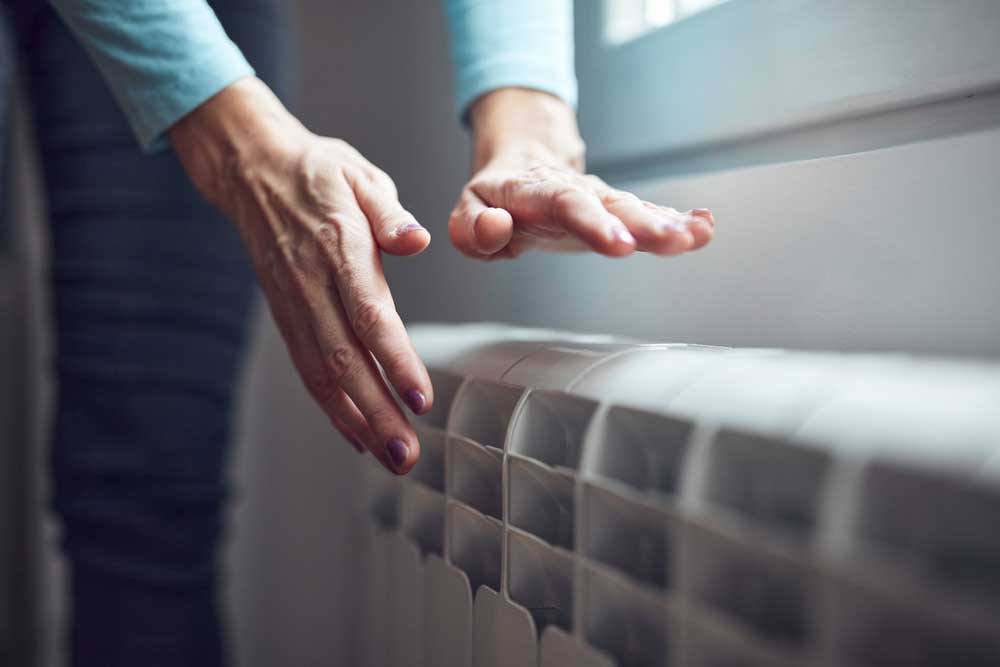
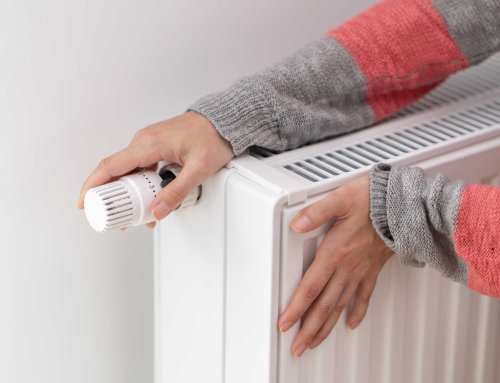
You have switched the central heating off, but one or more radiators are still warm—or may even seem to be getting hotter. The problem can waste energy and may indicate that a valve, thermostat or heating control is not working correctly.
Radiators can remain warm briefly after the boiler stops because heated water is still circulating. If they continue warming, become hot whenever you use the taps or heat up despite the controls being off, the system needs investigation.
This guide explains why radiators may be hot when the heating is off, what the pattern can reveal and when to call a qualified heating engineer.
Should Radiators Stay Warm After the Heating Is Switched Off?
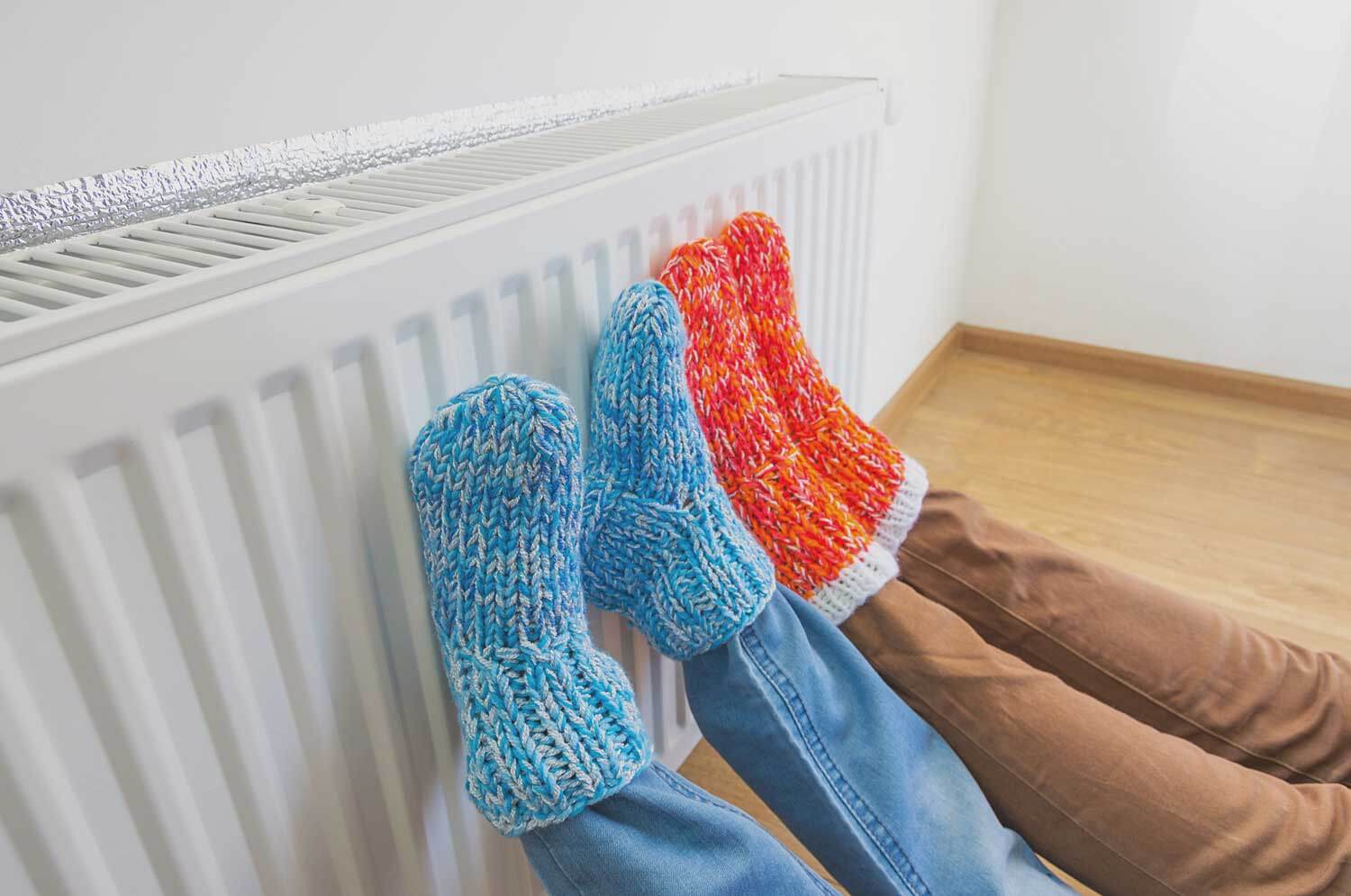
Radiators do not become cold the instant you switch off the heating.
The water inside the boiler, pipes and radiators will still contain heat. Many boilers also keep the circulation pump running briefly after the burner stops to carry residual heat away. The radiators may therefore stay warm for a while and then gradually cool.
It is more likely to be a fault if:
- The radiators continue getting hotter after the heating has been switched off.
- The boiler continues firing when there should be no demand for heating.
- The radiators warm up every time you run a hot tap or heat the hot-water cylinder.
- Only one heating zone stays on while the others switch off correctly.
Switching off the central-heating setting is not the same as isolating power to the boiler. If the boiler remains powered to produce hot water, a valve or control fault may allow some of that heat into the radiator circuit.
Why Are My Radiators Hot When the Heating Is Off?
Several faults can produce a similar symptom. The type of boiler and heating system in your home will affect which cause is most likely.
1. Residual Heat and Pump Overrun
The first possibility is that nothing is actually wrong.
When a heating cycle ends, the boiler and circulating water do not cool immediately. The pump may continue operating for a short time to disperse excess heat safely.
In this situation, the radiators were already hot, the boiler burner is no longer firing and the warmth gradually disappears. If the radiators repeatedly heat from cold while the central heating is off, pump overrun alone is unlikely to explain it.
2. A Sticking or Passing Diverter Valve
A combi boiler uses a diverter valve to direct heat either to the taps or the radiators. If it sticks or fails to close properly, some heat intended for a hot tap may pass into the central-heating circuit.
You may notice the radiators warming while someone is showering or using hot water. Those closest to the boiler may heat first, and the tap water may not be as hot as expected.
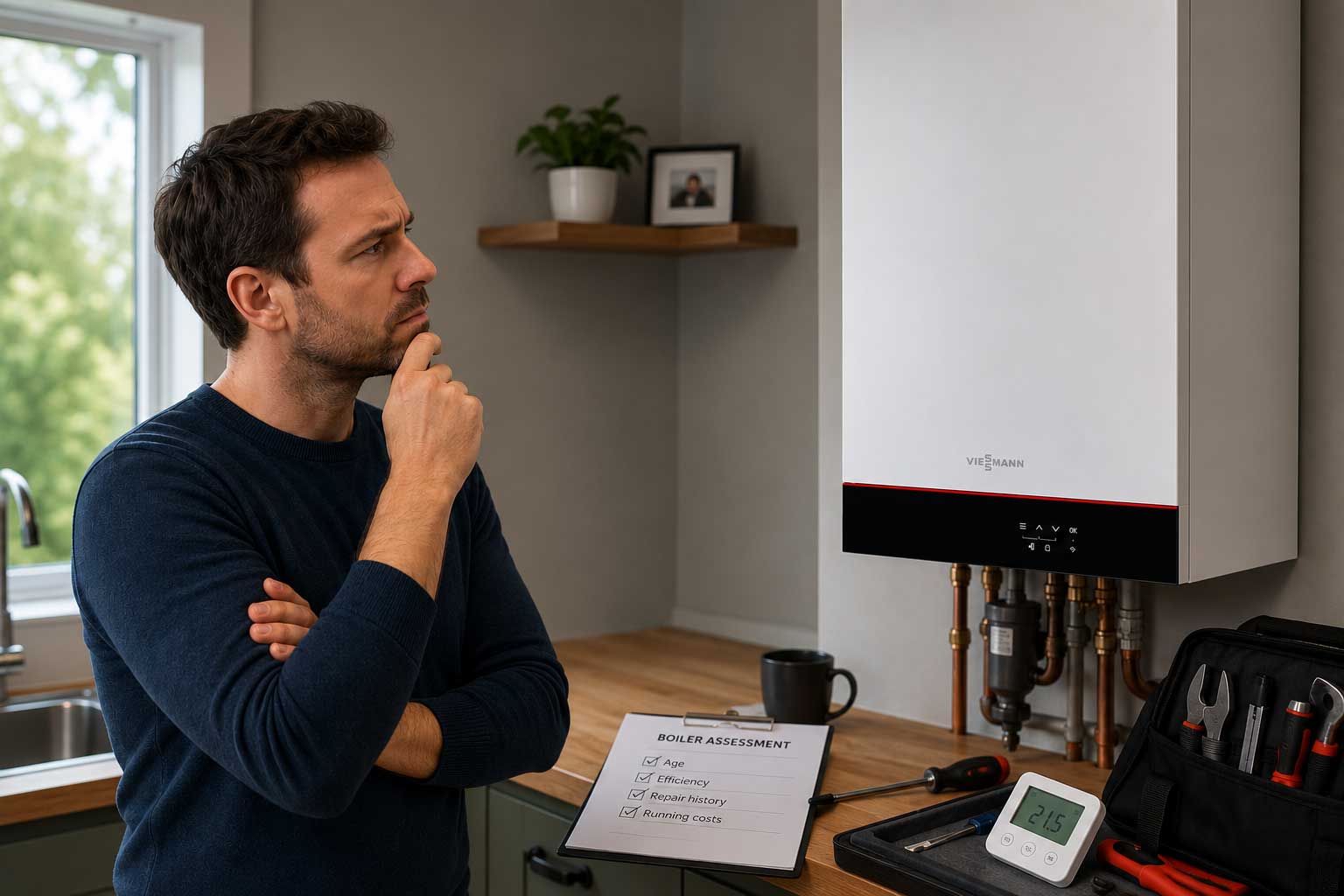
Viessmann lists radiators staying warm while the boiler prioritises tap water as a possible sign of a faulty diverter valve. The valve is inside the boiler and is not a DIY repair.
3. A Faulty Motorised or Zone Valve
Homes with a hot-water cylinder may use motorised valves to direct heat to the radiators, cylinder or individual zones. If a valve sticks open or fails to close fully, the radiators may heat while the boiler is supposed to be heating only the cylinder.
Possible signs include radiators warming whenever the cylinder is heated, one zone remaining warm while another switches off, or the problem following the hot-water schedule instead of the heating timer.
The electrical actuator or the valve body may be responsible, so the component should be tested before anything is replaced.
4. A Thermostat That Is Still Calling for Heat
If a thermostat, receiver or control wiring develops a fault, the boiler may continue receiving a heat demand even though the display or programmer appears off. A sticking relay, faulty sensor, wireless-communication problem or unreliable programmer could be responsible.
Look at the boiler display without removing any covers. If the heating symbol remains active or the burner keeps firing after you have lowered the thermostat and cancelled the schedule, the controls may require professional testing.
5. A Smart-Heating Schedule, Boost or Automation
Smart heating systems can operate from the wall thermostat, phone app, individual room controls and automatic routines. The heating may appear off in one place while a boost, separate zone, smart radiator valve, geofencing routine or frost-protection setting is still requesting heat.
Check each zone and schedule rather than relying only on the main thermostat. If the app says everything is off but the receiver still requests heat, the receiver or its connection to the boiler may be faulty. NRM’s guide to choosing a smart thermostat for an Irish home explains how these controls differ.
6. Unwanted Circulation Through the Pipework
Hot water can sometimes move through the heating circuit because of a failed check valve, gravity circulation, incorrect pipework or an unsuitable bypass. Because heat rises, upstairs radiators or a towel rail may warm first. An engineer may need to observe separate heating and hot-water cycles to identify the route.
7. Bypass Radiators or Frost Protection
A bathroom radiator or towel rail may intentionally remain open as a circulation route and stay warm briefly after the boiler stops. Frost-protection settings can also run the boiler automatically during severe cold. Neither explanation should normally cause radiators to remain fully hot for hours in mild weather.
Why Do the Radiators Heat Up When I Use Hot Water?
This pattern is one of the most useful clues.
If you have a combi boiler and the radiators become warm whenever you run a shower, bath or hot tap, a passing diverter valve is a strong possibility. The boiler is producing heat for the tap, but some of that heat is entering the radiator circuit as well.
If your home has a hot-water cylinder, a motorised valve may be allowing flow to the radiators whenever the boiler heats the stored water.
Note whether the problem starts after opening a hot tap or follows the hot-water timer, which radiators warm and whether the tap water is also cooler than normal. These details can help an engineer identify whether the fault lies with a diverter valve, zone valve, controls or pipework.
If you have the opposite problem—hot water but radiators that will not heat—read NRM’s separate guide to hot water with no central heating.
What Does the Pattern of Hot Radiators Tell You?
The number and location of the affected radiators can narrow down the likely cause.
- Every radiator heats: The boiler may still be receiving a demand, or a main valve may be allowing flow into the full circuit.
- Only one radiator heats: It may be close to the boiler, acting as a bypass or fitted with a valve that is not closing.
- One floor or zone heats: Check the motorised valve, thermostat, receiver or schedule serving that zone.
- Upstairs radiators heat first: Gravity circulation or a faulty check valve may be allowing heat to rise through the pipework.
- Radiators heat during hot-water use: A combi diverter valve or cylinder-system motorised valve is a likely area to investigate.
- Radiators gradually cool after a heating cycle: This is more consistent with normal residual heat.
Can a Faulty TRV Make a Radiator Heat Up?
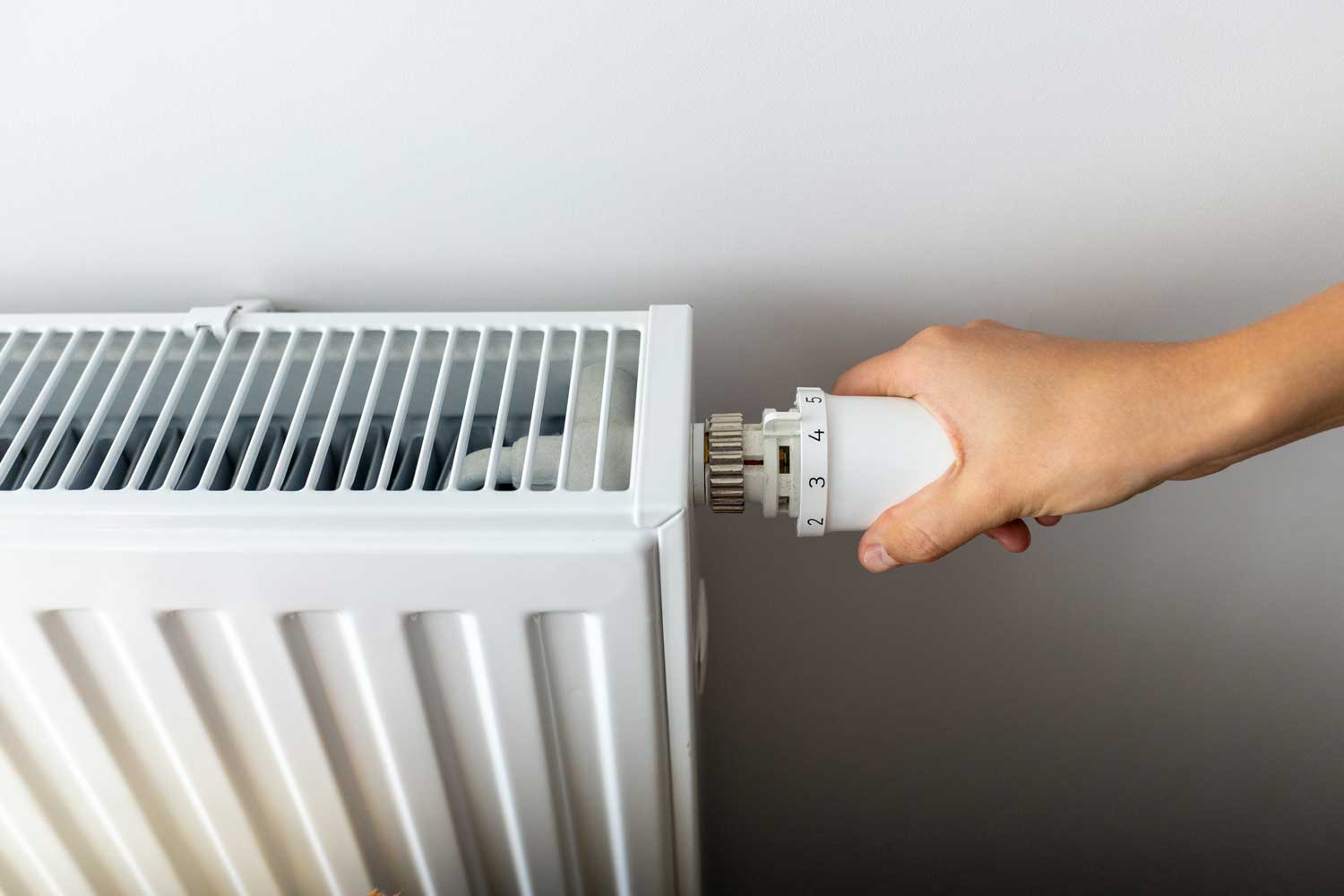
A thermostatic radiator valve, or TRV, controls the flow through an individual radiator. If it sticks open, the radiator can heat whenever hot water is circulating through that branch.
However, a standard TRV does not fire the boiler or create hot water. If the central-heating circuit is correctly isolated and no heated water is circulating, an open TRV cannot make the radiator hot on its own.
Replacing a TRV will not solve a passing diverter valve, stuck zone valve or control fault. Smart radiator valves are different because some can request heat through their hub, so check the app for an active room demand.
If your issue is a radiator that stays cold or heats unevenly when the heating is genuinely on, see NRM’s guides to radiators not heating up and radiators that are slow to heat.
What Should You Check Before Calling an Engineer?
You can gather useful information without opening the boiler or attempting a repair:
- Turn the thermostat down, cancel any boost and check the timer, app and individual zones.
- From outside the casing, see whether the boiler displays a central-heating or flame symbol.
- Allow recently heated radiators time to cool and note whether they later warm from cold.
- Check whether a hot tap, shower or cylinder-heating cycle triggers the problem.
- Record which radiators are affected and photograph the thermostat, boiler display and programmer settings.
These details can make an intermittent fault much easier to diagnose.
Is It Dangerous If Radiators Heat Up When They Should Be Off?
Unwanted radiator heat is not normally a gas emergency by itself. However, it should not be ignored.
Possible consequences include uncomfortably hot rooms, wasted fuel, higher energy bills, extra wear on heating components and hot surfaces that may pose a risk to children or vulnerable people.
Switch the heating off and seek prompt advice if the radiators become excessively hot, the boiler will not stop firing, a fault code appears or the system makes unusual noises.
If you smell gas, do not operate electrical switches. Open doors and windows if it is safe, leave the area and call Gas Networks Ireland on 1800 20 50 50 from outside or away from the suspected leak. Follow Gas Networks Ireland’s official gas-safety guidance.
Can You Fix the Problem Yourself?
Homeowners can check schedules, cancel boosts, lower thermostat settings and record when the fault occurs.
Do not remove the boiler casing, repair a diverter valve, work on gas components or wiring, force a motorised valve, dismantle a thermostat receiver or repeatedly reset the boiler to hide the fault.
The symptom can have several causes, and replacing the most obvious component without testing may not solve it.
Work on a gas boiler or gas pipework in Ireland should be carried out by a Registered Gas Installer (RGI). Heating controls and water-side components should also be assessed by a suitably qualified professional.
When Should You Call a Heating Engineer?
Arrange an inspection if:
- Radiators repeatedly heat when the central heating is off.
- They warm whenever you use hot water.
- The boiler continues firing with the thermostat turned down.
- One heating zone cannot be switched off.
- Rooms become excessively hot, the boiler displays a fault code or the system makes unusual noises.
- You also have inconsistent hot water or cannot identify which control is requesting heat.
An engineer can test the thermostat demand, receiver, diverter valve, motorised valves, pump and wiring sequence to see why heat is entering the wrong circuit.
For faults involving a gas boiler, contact an experienced gas boiler repair engineer in Dublin.
Does the Boiler Need to Be Replaced?
Usually, no.
Radiators heating when the heating is off are often caused by a repairable valve or control problem. The solution may involve a diverter valve, motorised valve, thermostat receiver, smart-control configuration, check valve or pipework correction.
Boiler replacement may be worth considering if the appliance is old, unreliable, affected by several faults or requires an expensive major repair.
The decision should be based on the boiler’s overall condition, not this symptom alone. Read NRM’s guide to heating-system problems in Irish homes or explore our gas boiler replacement services in Dublin if replacement is recommended.
How Can You Prevent the Problem From Returning?
Not every fault can be prevented, but you can test the heating before autumn, check schedules after clock changes or app updates and have sticking valves or unreliable controls investigated promptly. Regular boiler servicing also gives an engineer an opportunity to identify developing problems.
Frequently Asked Questions
Why are my radiators hot when the thermostat is off?
The thermostat may not be the only control requesting heat. A timer, smart-heating zone, receiver relay or motorised valve could keep the system active. If the radiators continue warming or the boiler keeps firing, arrange an inspection.
Why do my radiators come on when I run a hot tap?
In a combi boiler, this commonly points towards a passing diverter valve. In a system with a hot-water cylinder, a faulty motorised valve may cause the same symptom.
Is it normal for one radiator to remain warm when the heating is off?
It can be normal for a radiator near the boiler, bypass radiator or towel rail to remain warm briefly. It is less likely to be normal if it heats from cold, stays hot or warms whenever hot water is used.
Can a faulty TRV cause a radiator to stay hot?
A TRV stuck open can allow flow through a radiator, but a standard TRV cannot fire the boiler or generate heat by itself. The underlying cause may lie elsewhere in the controls or valves.
Should I switch the boiler off at the mains?
If the boiler will not stop heating and there is no immediate gas or electrical danger, follow the shutdown instructions in the manufacturer’s user manual and contact an engineer.
Do not touch electrical controls if they are wet or damaged. If you smell gas, do not operate any electrical switch; leave the property and contact Gas Networks Ireland.
Need Help With Radiators Heating When They Should Be Off?
If your radiators are hot when the heating is off, NRM Plumbing & Heating can inspect the boiler, thermostats, controls and valves to identify the cause and recommend the appropriate repair.
Call NRM Plumbing & Heating on 01 535 29 48 or 087 990 89 13 to arrange a heating-system inspection or repair in Dublin.
Leave A Comment