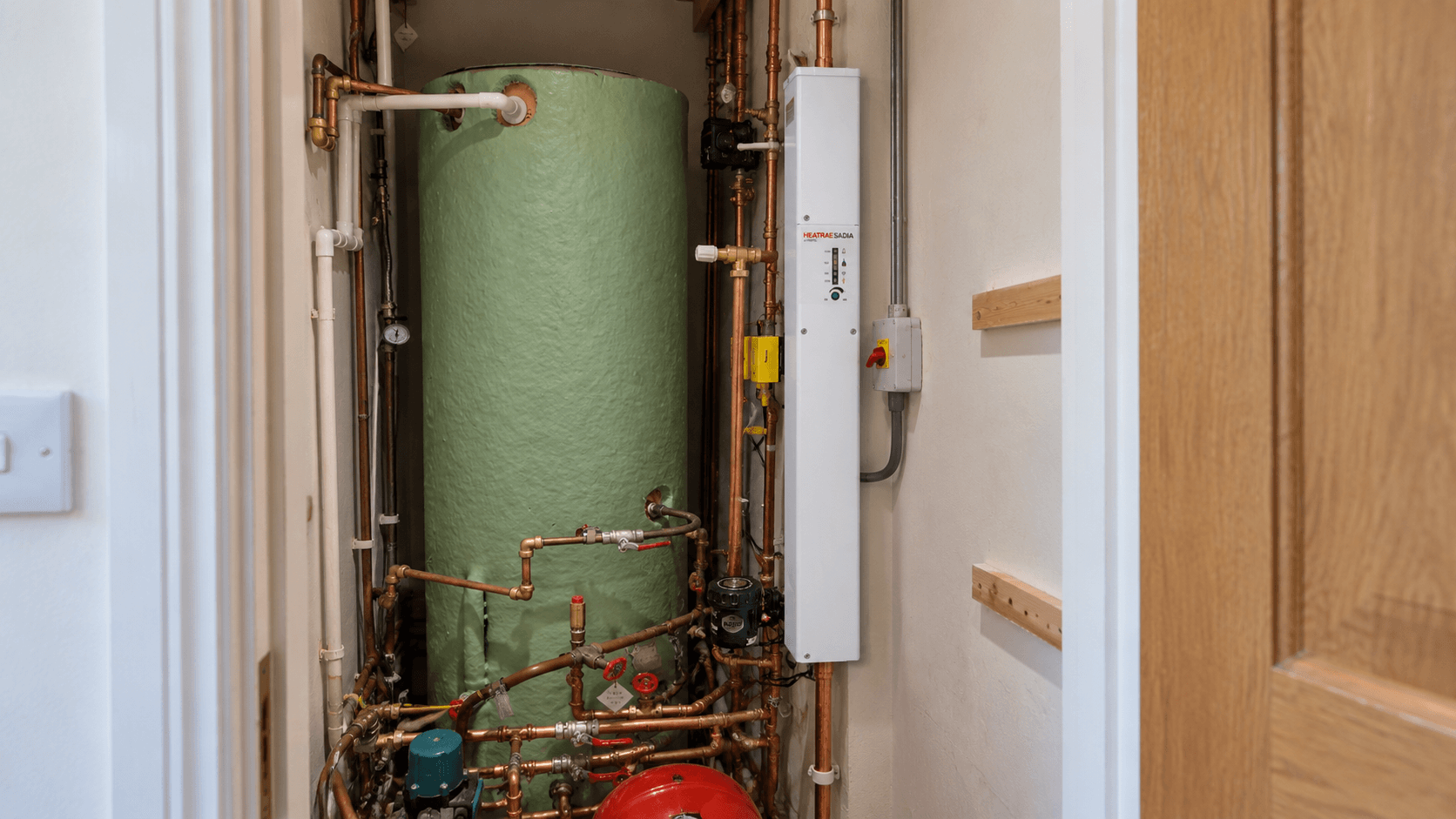
Yes, you can replace a gas boiler with an electric boiler, provided the new system can meet your home’s heating and hot-water needs and your electricity supply can support it.
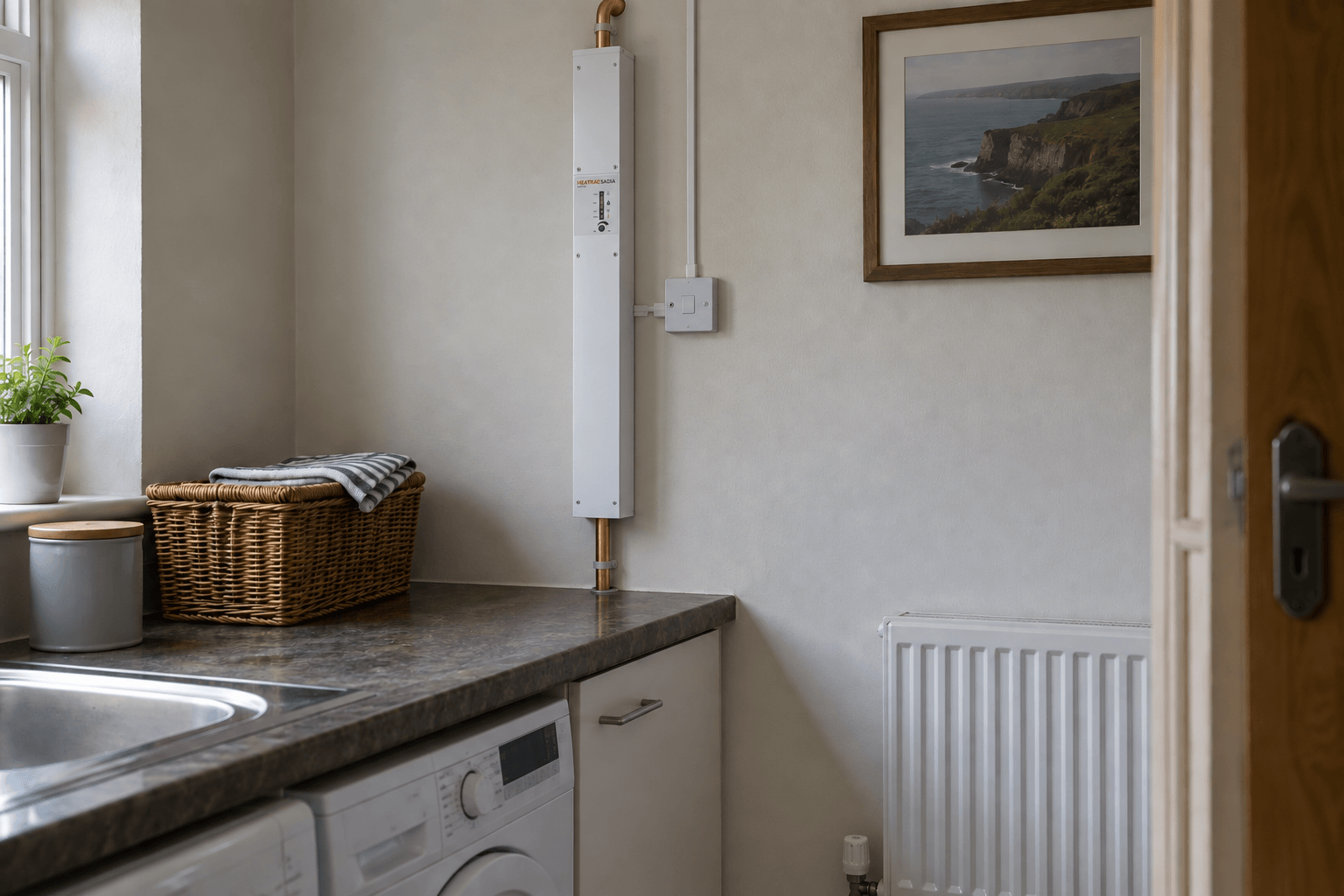
For a homeowner with an ageing gas boiler, the idea has obvious appeal. You could move away from gas while continuing to use a familiar radiator system. An electric boiler also needs no combustion flue, which can give you more flexibility over its location.
However, the electrical supply and hot-water arrangements need careful consideration. A boiler that fits neatly on the wall may still require electrical upgrades or a separate cylinder.
Here is what to check before deciding whether the switch is right for your home.
How Does an Electric Boiler Replace a Gas Boiler?
A gas boiler burns fuel to heat water. An electric boiler uses electrical heating elements. In both cases, heated water can circulate through radiators to warm the rooms.
This means switching fuel does not automatically require replacing the entire central-heating system. Electric flow boilers can work with conventional wet radiator systems; the manufacturer’s specifications determine which arrangements are suitable. Heatrae Sadia’s Amptec information gives one example.
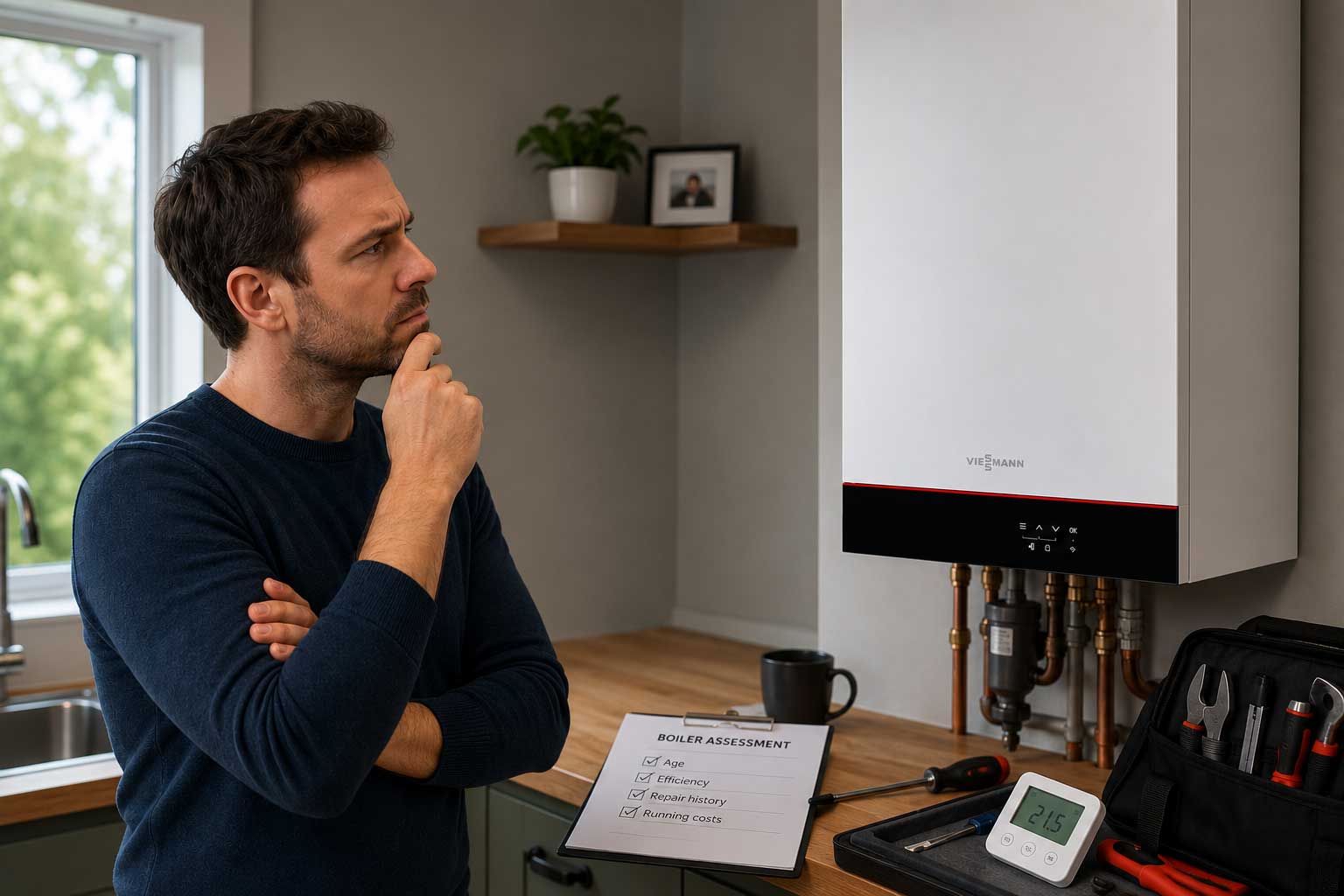
The starting point is a heat-loss assessment: how much heat your home needs in cold weather. Room sizes, insulation, windows and exposed walls all influence the answer.
Avoid choosing a replacement simply by copying the kilowatt rating printed on your gas boiler. A gas combi’s output may have been selected largely to provide hot water quickly, rather than because the radiators need that much heat.
Your installer should establish the space-heating requirement and the hot-water arrangement before recommending a model.
Can Your Electricity Supply Handle an Electric Boiler?
This is one of the most important checks.
Your existing gas boiler uses electricity for its controls and other components, but an electric boiler needs electricity to produce the heat itself. The existing electrical connection cannot simply be assumed suitable.
A Registered Electrical Contractor should assess:
- The proposed boiler’s electrical demand.
- Your home’s connection capacity and main supply equipment.
- The fuse board, protective devices and cable route.
- Other substantial loads, such as an electric shower, cooker or EV charger.
- Whether those loads could operate together.
For perspective, a heater drawing 12kW at 230V takes approximately 52 amps before other household equipment is considered. This is an illustration of demand, not a wiring specification or a recommended boiler size.
Will You Need an ESB Networks Upgrade?
Possibly. Each property has an agreed Maximum Import Capacity, or MIC, which determines the maximum demand its network connection can accommodate. Adding a large electrical load may require an increase. ESB Networks explains how supply capacity is assessed and changed.
Depending on the assessment, the solution could involve electrical alterations, suitable load management, a supply upgrade or choosing a different heating arrangement.
Some electric boilers operate on single-phase supplies; others require three-phase. The answer depends on the model and the property’s available capacity. Confirm this before ordering equipment.
Can You Keep Your Existing Radiators and Pipework?
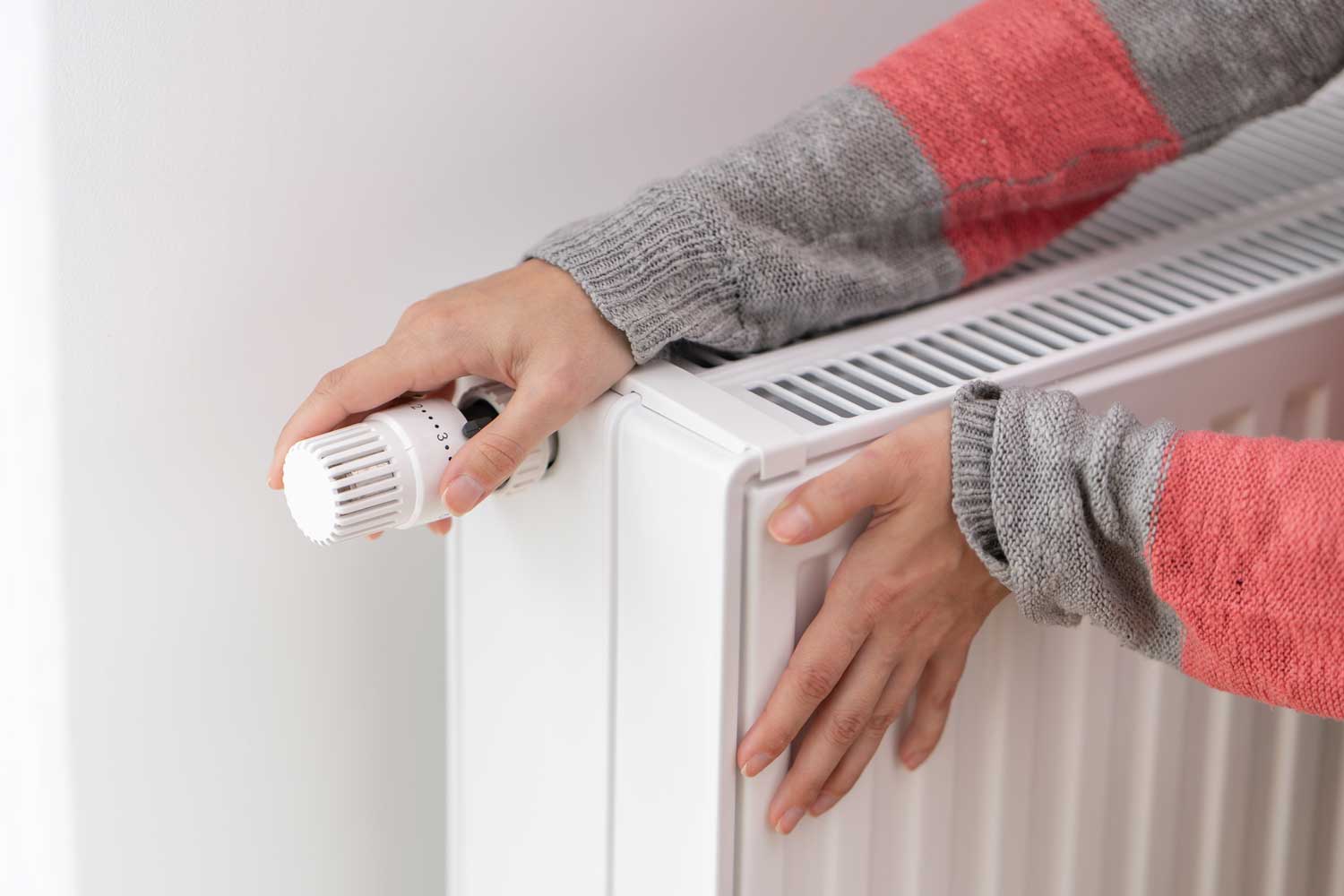
Often, yes. Existing radiators may remain if their output, condition and operating requirements suit the proposed system.
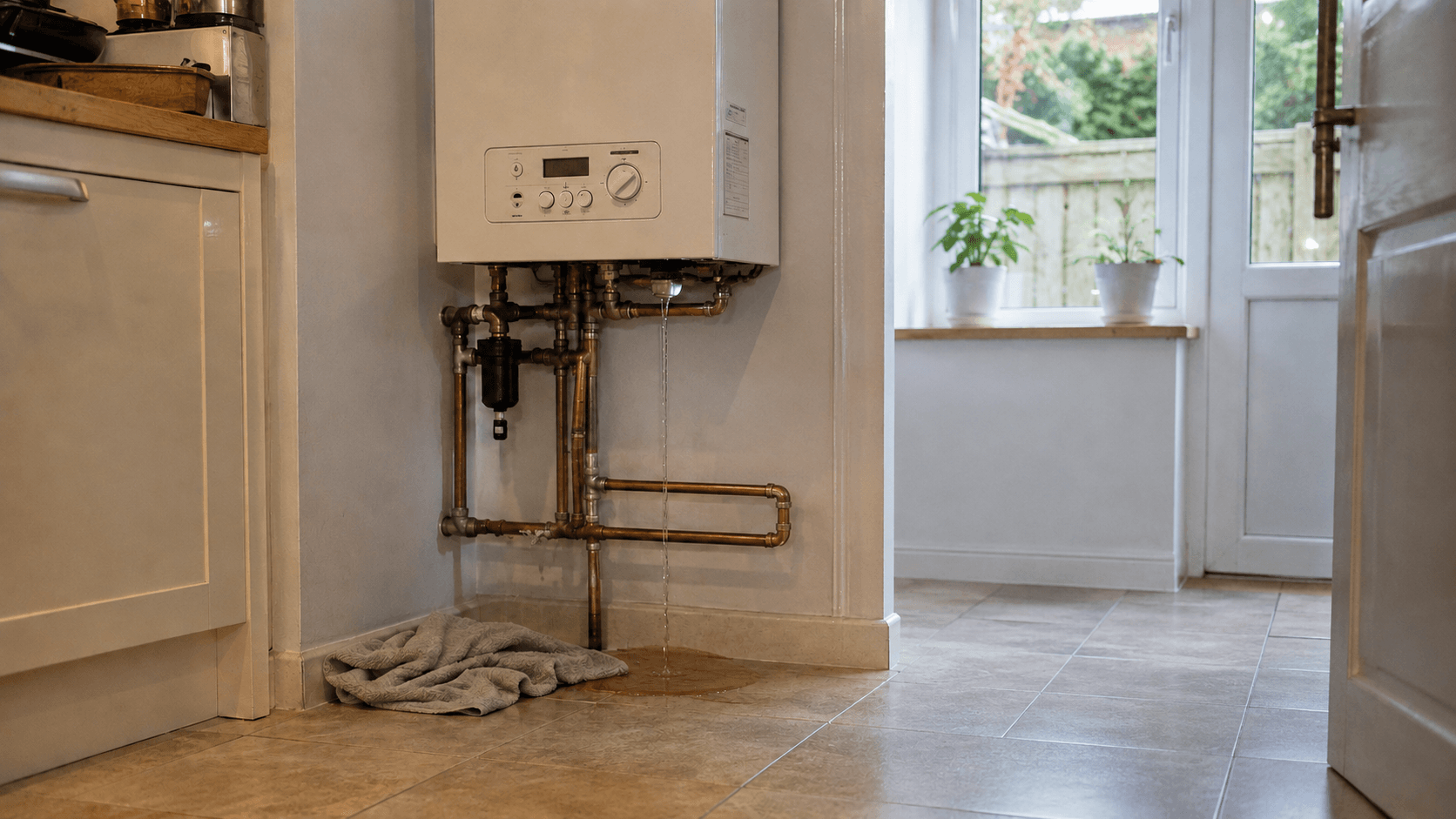
Your heating engineer should inspect the installation for leaks, corrosion, sludge and poor circulation. The new boiler also needs compatible pumps, valves, controls and arrangements for expansion and pressure relief.
System cleaning and water treatment should follow the selected manufacturer’s instructions. For example, the Electric Heating Company’s Comet installation manual specifically addresses cleaning when existing radiators and pipework are reused.
Any cold rooms or slow-heating radiators should be discussed during the survey. Changing the boiler’s fuel does not, by itself, resolve an undersized radiator or a circulation problem.
Tell the installer if you plan to add an extension or convert a garage. It is useful to consider that future demand while the replacement system is being designed.
How Will You Get Hot Water?
This can be the biggest practical change, particularly if you currently have a gas combi boiler.
If You Already Have a Hot-Water Cylinder
The cylinder may be reusable, subject to its condition, capacity and compatibility.
An electric boiler can heat a suitable indirect cylinder through its coil. Another arrangement is a separate cylinder heated directly by immersion elements. The controls and electrical assessment must reflect whichever setup is chosen.
An existing cylinder should not be retained solely because it is already there. Ask whether it holds enough water, is adequately insulated and can reheat quickly enough for your household. If replacement is appropriate, see NRM’s hot water cylinder replacement service in Dublin.
If You Currently Have a Gas Combi Boiler
A gas combi usually heats tap water as you use it. An electric replacement needs a specific plan for meeting that demand.
Depending on the equipment, options include a separate cylinder, an appliance with integrated storage, or an instantaneous electric combi where its electrical requirements and hot-water performance are suitable.
Integrated storage systems do exist: Heatrae Sadia’s Electromax, for example, combines an electric boiler and cylinder in one unit. This still requires room for stored water.
Ask how many showers the proposed system can support, whether two outlets can run together, and how long stored water takes to reheat. The term “electric combi” alone does not establish that it will match your current gas combi’s performance.
What Happens to the Old Gas Boiler and Supply?
The gas boiler must be disconnected and removed safely. In Ireland, Gas Networks Ireland requires a Registered Gas Installer for work involving the removal of gas appliances or pipework.
The installer should also deal with the redundant flue and agree any necessary making good of the wall or roof opening.
If you still use a gas hob or fire, you may need to retain the gas supply. If the boiler was your only gas appliance, discuss closing the account and arranging disconnection separately.
Removing the boiler does not automatically close your gas account. Gas Networks Ireland’s disconnection guidance distinguishes meter disconnection through your supplier from removing the gas service connection. Confirm the appropriate process and any charges before proceeding.
What Does the Installation Involve?
A properly planned conversion normally follows these stages:
- Survey the heating system. Establish heat demand, radiator condition and hot-water requirements.
- Assess the electrics. Confirm supply capacity and identify any wiring or network work needed.
- Agree the specification. Choose the boiler, cylinder arrangement, controls and installation location.
- Remove the gas appliance. Coordinate the RGI’s work with the heating and electrical installation.
- Install and commission. Test the system, check the controls and explain operation and maintenance.
Ask for a written quotation that identifies the electrical work, any cylinder changes, disposal and making good. It should also state whether network charges are included or handled separately.
Installation time depends on those findings. A conversion requiring a new cable route or supply upgrade needs different scheduling from a straightforward boiler replacement. Agree how long heating and hot water will be unavailable.
Keep the commissioning information, warranty details and electrical completion certificate. ESB Networks explains the testing and certification requirements for electrical alterations.
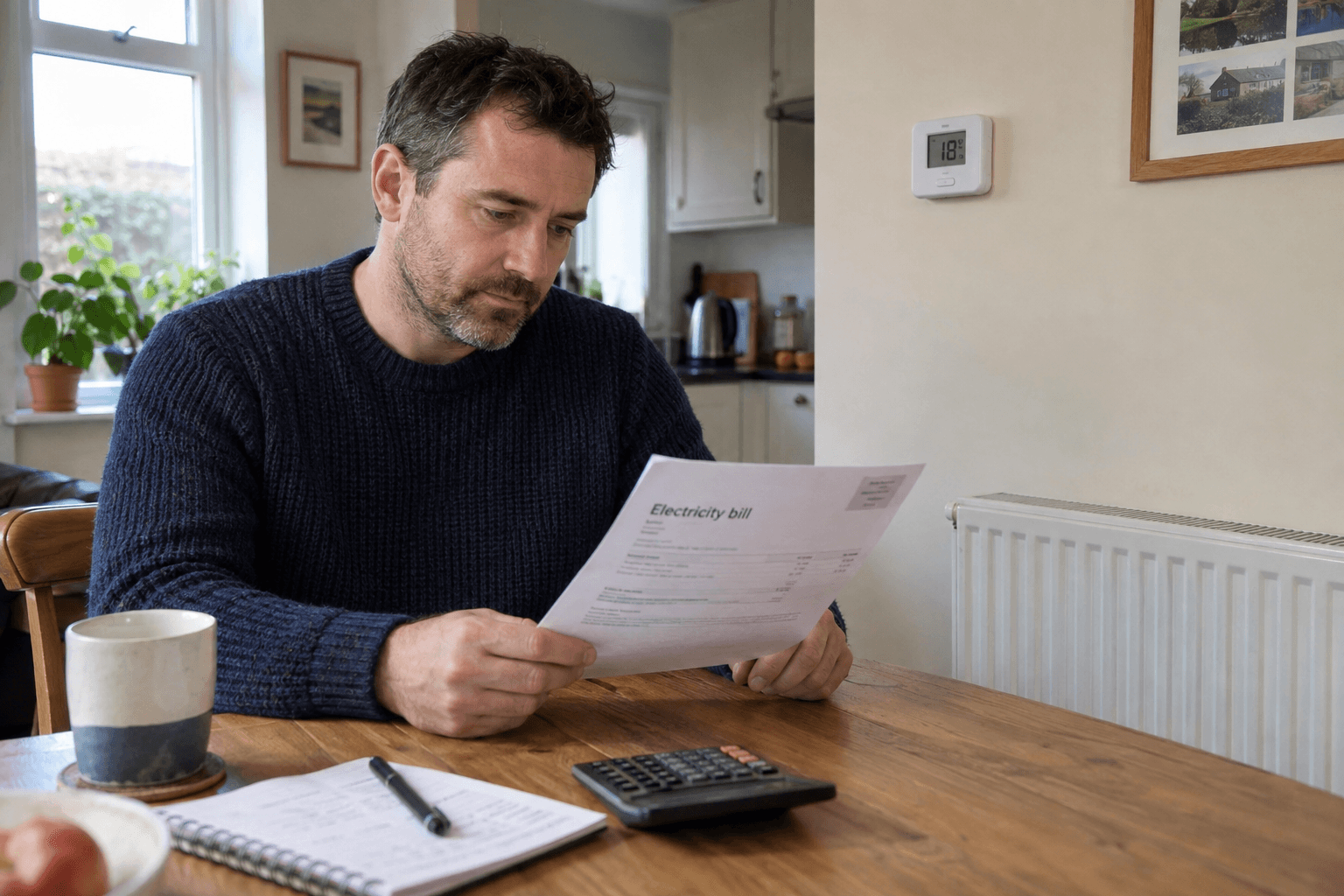
Will Switching to Electric Reduce Your Bills?
Do not assume that it will.
A resistance electric boiler converts almost all the electricity it uses into heat at the appliance. However, the price of that electricity still matters. High conversion efficiency does not guarantee a lower heating bill.
Compare the expected heating and hot-water demand using your actual electricity and gas tariffs, including standing charges. A cheaper overnight rate only helps for energy genuinely used during those hours or stored for later use.
Ask for an estimate with its assumptions explained: indoor temperature, heating schedule, insulation and hot-water use. A calculation based on a different household may be misleading.
Our guide to electric boiler running costs in Ireland explores this separately.
When Is an Electric Boiler Worth Considering?
An electric boiler may be worth assessing where the home has a modest heat requirement, a suitable electricity supply and an existing wet heating system you want to retain.
It can also offer flexibility where a combustion flue is difficult to accommodate. However, available cupboard space, service access and the hot-water arrangement still matter.
A poorly insulated home with high heating demand needs particular care: supplying enough heat and paying for that energy are separate questions.
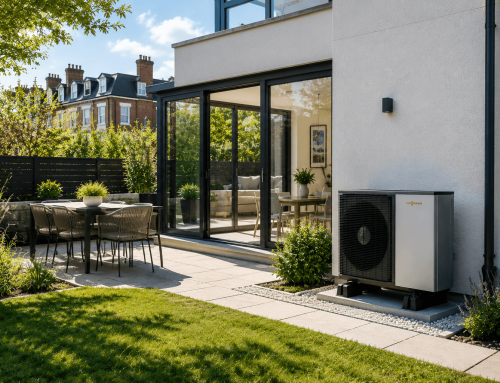
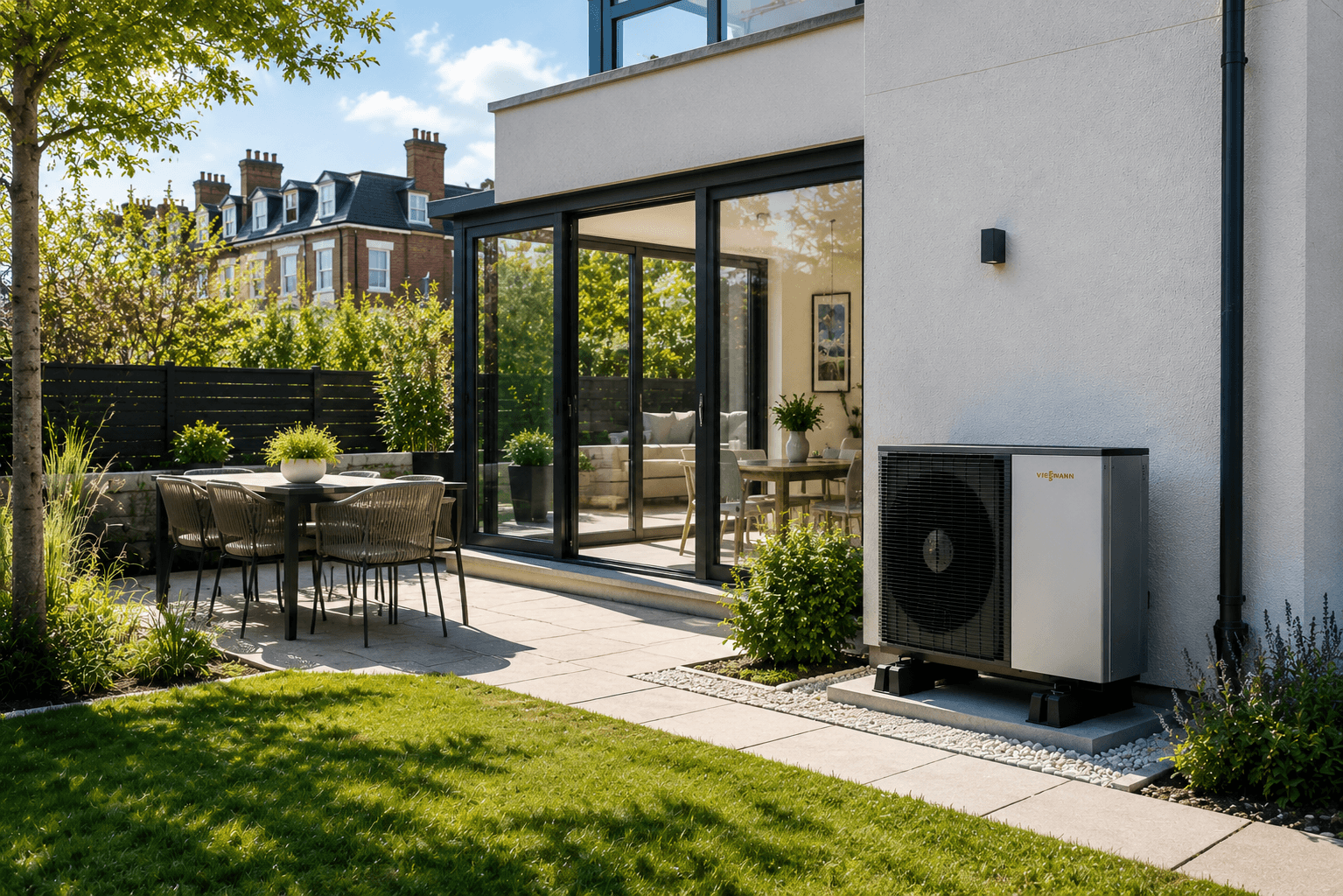
If your aim is to move away from gas, compare a heat pump too. It uses electricity to transfer heat from its surroundings, rather than generating all the heat through resistance elements. A suitable heat-pump system can therefore use substantially less electricity for the same heat output. SEAI explains heat pumps and home suitability.
The right recommendation should account for the property, installation work and expected use over time.
Frequently Asked Questions
Can an Electric Boiler Go Where the Gas Boiler Was?
Possibly, if the location meets the new manufacturer’s requirements and provides suitable access, pipework and an electrical cable route. A different location may be more practical if storage or electrical alterations are needed.
Will an Electric Boiler Work During a Power Cut?
No. It needs electricity to generate heat and operate. Most modern gas boilers also need electricity for controls and circulation, so they generally stop during a power cut too.
Does an Electric Boiler Need Maintenance?
Yes. Follow the manufacturer’s requirements for the boiler and the wider heating system. Filters, water quality, pumps, valves and any hot-water cylinder still need appropriate attention. Having no gas burner does not make the installation maintenance-free.
Considering an Electric Boiler for Your Dublin Home?
Before you replace a gas boiler with an electric boiler, establish what your home needs and what the conversion would involve.
Contact NRM Plumbing & Heating to discuss your existing system and electric boiler installation in Dublin. We can help you explore the heating and hot-water options before you commit to a replacement.

Leave A Comment